Hill End Gold Prospecting Guide: Exploring NSW's Historic Goldfields
Comprehensive guide to gold prospecting at Hill End, NSW. Learn about the history, best locations, techniques, and regulations for finding gold in this legendary goldfield.
Hill End Gold Prospecting Guide: Exploring NSW’s Historic Goldfields
Hill End stands as one of New South Wales’ most legendary gold prospecting destinations, offering modern prospectors a unique blend of historical significance and ongoing gold-bearing potential. Located in the Central Tablelands region, approximately 70 kilometres north of Bathurst, this iconic goldfield continues to attract prospectors from across Australia seeking both adventure and the thrill of discovery.
The Rich History of Hill End
The Golden Era
Hill End’s gold rush began in 1851, transforming what was once quiet pastoral land into a thriving mining town that at its peak housed over 8,000 residents. The town gained international fame in 1872 when the legendary “Holtermann Nugget” was discovered at the Star of Hope mine – though technically a specimen rather than a nugget, this massive 286-kilogram gold-bearing quartz specimen remains one of the largest gold finds in history.
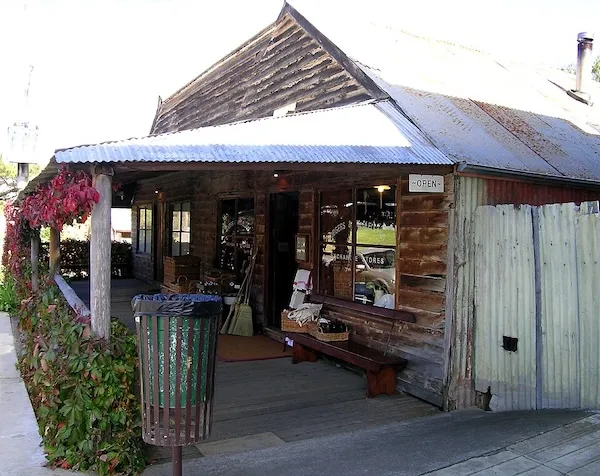
During its heyday, Hill End boasted 28 hotels, two newspapers, a school of arts, and numerous shops and businesses. The town’s wealth was extraordinary, with some estimates suggesting that over 250 tonnes of gold were extracted from the region during the main mining period. Today, Hill End is preserved as a historic village, with many original buildings still standing, offering prospectors a tangible connection to Australia’s golden past.
Modern Prospecting Legacy
While the commercial mining operations ceased long ago, Hill End remains an active prospecting destination. The NSW government has designated specific areas for recreational fossicking, and many modern prospectors continue to find gold in areas that were either overlooked or considered uneconomical by historical miners using period technology.
Understanding Hill End’s Geology
Geological Formation
Hill End sits within the Hill End Trough, a geological structure within the Lachlan Fold Belt. The gold deposits here are primarily associated with Silurian to Devonian age rocks, particularly quartz reefs that run through mudstones and shales. These quartz reefs, formed by hydrothermal fluids millions of years ago, contain gold that has been trapped within the crystalline structure.
The gold at Hill End occurs in several forms:
Primary Gold: Found within quartz veins and reefs, often as fine particles or occasionally as larger specimens. This gold is typically found in situ, still within its host rock.
Alluvial Gold: Weathering and erosion have broken down quartz reefs over millions of years, releasing gold into creek systems and gullies. This secondary gold often accumulates in specific areas where water flow patterns naturally concentrate heavier materials.
Eluvial Gold: Found in the soil and weathered rock directly above or near primary gold sources, this intermediate form represents gold that has begun the weathering process but hasn’t yet been transported far from its source.
Key Mineralisation Indicators
When prospecting around Hill End, watch for these geological indicators:
- Quartz float: Broken pieces of quartz scattered across the surface often indicate nearby reefs
- Ironstone: Heavily oxidised, rust-coloured rocks frequently accompany gold-bearing areas
- Gossan: The weathered, iron-rich cap of a mineralised zone
- Schist and slate: These metamorphic rocks often host or border gold-bearing quartz veins
- Creek and gully intersections: Where drainages meet, gold naturally concentrates
Where to Prospect at Hill End
Designated Fossicking Areas
The NSW government has established specific areas where recreational fossicking is permitted. Always check current regulations with NSW Department of Primary Industries before prospecting, as boundaries and rules can change.
Tambaroora State Conservation Area: This area allows fossicking with appropriate permits. The region contains numerous old workings and has produced gold for modern prospectors. Focus on creek lines and areas around historical diggings.
Crown Land Fossicking Areas: Several designated crown land areas near Hill End permit fossicking. These areas are clearly marked and require a NSW Fossicking Licence. Pay particular attention to Camping Creek, Meroo Creek, and areas around Bald Hill.
Turon River: While much of the Turon River system has been extensively worked, patient prospectors can still find gold in crevices, under large rocks, and in areas missed by earlier miners. The Sofala to Hill End stretch remains particularly popular.
Productive Locations
Based on historical records and modern prospecting reports, several areas consistently produce results:
Bald Hill Area: The slopes and gullies around Bald Hill contain numerous small quartz reefs and have yielded gold for contemporary prospectors. Look for white quartz float and old diggings that indicate previous mining activity.
Red Hill: Named for its iron-rich soils, Red Hill has been productive for detector users. The oxidised material here often masks gold signals, so use sensitive settings and go slowly.
Hawkins Hill: Less heavily worked than some areas, Hawkins Hill offers opportunities for those willing to explore further from town. The northern slopes have shown promise.
Camping Creek: This drainage system has produced both fine gold and occasional nuggets. Focus on bedrock where exposed, natural riffles, and inside bends where heavier materials concentrate.
Recommended Prospecting Techniques
Metal Detecting
Metal detecting remains the most popular and productive method at Hill End. The area’s dry, oxidised soils suit modern detectors well.
Equipment Recommendations:
- A detector with ground balancing capability is essential due to mineralised soils
- Larger coils (14-15 inches) for open areas and ground coverage
- Smaller coils (8-11 inches) for detecting around old workings and in trashy areas
- Quality headphones to hear faint signals in mineralized ground
Detection Strategy: Start in areas with visible quartz float or near old workings, but don’t neglect areas between diggings – these “overlooked” zones can be surprisingly productive. Work slowly and methodically, ensuring thorough coverage. In heavily mineralised ground, reduce sensitivity until the detector runs stable, then gradually increase while maintaining control.
Pay special attention to exposed bedrock, the bases of trees (where erosion creates natural gold traps), and along fence lines where ground disturbance may have brought gold closer to the surface.
Dry Washing
During dry periods, when water-based processing isn’t practical, dry washing offers an effective alternative.
Technique: Collect material from promising areas, particularly:
- Around quartz outcrops
- From gullies and shallow drainages
- Behind rocks and other natural barriers
- From old tailings (with permission)
Modern dry washers use air pulsation to separate gold from lighter material. Process material methodically, and don’t be discouraged by small gold – fine gold accumulates quickly.
Panning and Sluicing
When water is available, particularly after rain, traditional panning and sluicing remain effective.
Creek Panning Strategy: Focus on:
- Inside bends where current slows
- Behind large rocks and boulders
- Exposed bedrock crevices
- Gravel bars, particularly at their downstream ends
- Confluence points where tributaries join
Processing Technique: Classify material before panning to remove large rocks, increasing efficiency. When panning, work slowly and methodically – rushing leads to lost gold. Hill End gold can be quite fine, so pay attention to all colors, even if tiny.
Detecting Old Workings
Hill End’s landscape is dotted with historical diggings, mullock heaps, and filled shafts. While these areas have been worked, they often still contain gold that earlier miners missed or discarded with waste material.
Safety First: Never enter old mine shafts or unstable workings. Focus on surface detecting around these areas.
Strategy: Detect slowly around the edges of old mullock heaps. Historical miners often discarded lower-grade material that still contains detectable gold. Work in a grid pattern to ensure complete coverage.
Licensing and Regulations
Required Permits
To legally prospect in NSW, you need:
NSW Fossicking Licence: Required for fossicking on crown land. Available from Service NSW centres or online. The licence is valid for two years and is reasonably priced. This licence does NOT permit prospecting on private land, only designated public areas.
Miner’s Right: For prospecting on private land with permission, or in designated mining areas, a NSW Miner’s Right may be required. Check with NSW Department of Primary Industries for current requirements.
Area Restrictions
Off-Limits Areas:
- National parks (unless specifically designated for fossicking)
- Historic sites within the Hill End Historic Site precinct
- Private property without written permission
- Areas within environmental protection zones
- Aboriginal heritage sites
Heritage Considerations: Hill End is a heritage-listed area. Do not disturb or remove historical artifacts. If you discover something of potential historical significance, report it to the NSW Heritage Office.
Fossicking Rules
When prospecting at Hill End, observe these regulations:
- Fill all holes completely after detecting or digging
- Remove all rubbish, including bottle tops and other trash you detect
- Don’t disturb vegetation more than necessary
- Limit excavations to 1 metre depth without additional permits
- Don’t use mechanical equipment without appropriate permits
- Don’t disturb waterways or remove large amounts of material
- Camp only in designated areas
- Keep noise to reasonable levels
Seasonal Considerations
Best Times to Prospect
Autumn (March-May): Excellent prospecting weather with mild temperatures and generally dry conditions. Gold prices historically rise during autumn, adding incentive. Creek flows are usually manageable, allowing both water and dry processing.
Winter (June-August): While cold, winter offers several advantages: fewer crowds, excellent ground conditions for detecting, and clear air for visibility. Morning frosts can create challenging detecting conditions, but afternoon detecting works well. Dress warmly in layers.
Spring (September-November): Spring rains can replenish water sources, making sluicing viable. Weather is variable but generally pleasant. Wildflowers bloom throughout the area, adding to the experience. Be aware that spring can bring sudden weather changes.
Summer (December-February): Summer brings high temperatures and potential extreme heat days. Prospect early morning or late afternoon, avoiding midday heat. Bushfire danger is a significant consideration – check fire ratings before traveling, and be prepared to cancel trips on total fire ban days. Water sources may dry up, making dry washing the primary technique.
Weather Preparation
Hill End experiences significant temperature variations. Winter nights can drop below freezing, while summer days regularly exceed 35°C. Come prepared with:
- Layered clothing for temperature changes
- Sun protection (hat, sunscreen, long sleeves)
- Adequate water (at least 4 litres per person per day in summer)
- First aid kit including treatment for heat exhaustion
- Mobile phone with charged battery (reception is limited but improving)
- Emergency supplies if camping
Accommodation and Facilities
Camping
Hill End Caravan Park: Offers powered and unpowered sites with basic facilities. Bookings recommended during busy periods.
Bush Camping: Several areas near Hill End permit bush camping on crown land. Ensure you camp only in legal areas and follow Leave No Trace principles.
Services
Hill End village provides:
- General store with basic supplies and prospecting equipment
- Royal Hotel (historic pub with accommodation and meals)
- Public toilets and dump point
- Historic buildings museum
- Mobile phone coverage (limited but improving)
Important: Hill End is remote. Fill your vehicle with fuel in Bathurst or Sofala before arriving. The nearest comprehensive services are in Bathurst (70km) or Mudgee (60km).
Equipment Checklist
Essential Detecting Equipment
- Metal detector with ground balancing
- Spare batteries (cold weather drains batteries quickly)
- Quality headphones
- Pick and small shovel
- Collection bottle or pouch
- Knee pad or cushion
- Water and snacks
- First aid kit
- Hat and sun protection
Processing Equipment
- Gold pan (14-inch is versatile)
- Classifier (½-inch and ¼-inch mesh)
- Sniffer bottle or sucker bottle
- Vials for gold storage
- Magnifying glass or loupe
- Bucket or tub
- Hand trowel
- Crevicing tools
Safety Equipment
- Mobile phone and backup battery
- GPS or detailed maps
- Whistle for emergencies
- Personal locator beacon (for extended trips)
- Snake bite first aid knowledge and bandages
- Water purification tablets
- Emergency shelter
Tips for Success at Hill End
Research Historical Records
Before prospecting, research Hill End’s mining history. Old maps, mining reports, and historical documents can reveal reef locations, rich patches, and areas that may have been overlooked. The Mitchell Library in Sydney holds extensive Hill End records.
Join Local Groups
Connect with the Central West Prospecting Club or similar organizations. Experienced members can provide valuable guidance, and group trips offer both safety and learning opportunities.
Be Patient and Persistent
Hill End has been worked for over 170 years, yet prospectors continue finding gold. Success requires patience, persistence, and methodical detecting. Small gold adds up quickly, and that next signal could be something special.
Learn to Read the Ground
Spend time observing the landscape. Look for natural gold traps, understand drainage patterns, and learn to recognize the subtle signs of mineralisation. The best prospectors develop an intuitive sense for promising areas.
Respect the History
Hill End’s historical significance makes it special. Treat the area with respect, preserve its heritage, and help protect it for future generations. Your responsible prospecting ensures continued access for all.
Conclusion
Hill End remains one of Australia’s most rewarding prospecting destinations, combining rich history, beautiful scenery, and genuine gold-bearing potential. Whether you’re a novice seeking your first color or an experienced prospector chasing larger finds, Hill End offers opportunities for all skill levels.
Success at Hill End requires proper licensing, appropriate equipment, knowledge of local geology, and respect for both the environment and heritage. Take time to learn the area, work methodically, and enjoy the experience. The gold you find is only part of the reward – the adventure, history, and connection to Australia’s golden past make Hill End truly special.
Remember that prospecting success isn’t measured solely in gold recovered but in skills learned, places explored, and memories created. Hill End provides all of these in abundance. Pack your detector, obtain your licence, and discover why prospectors have been drawn to this legendary goldfield for more than 170 years.