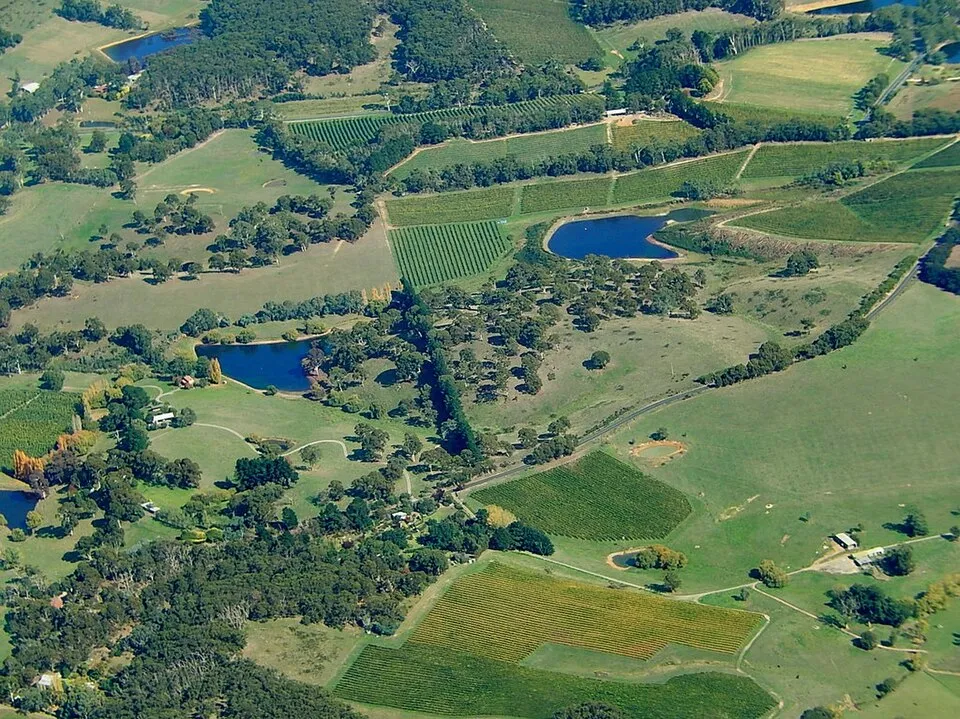
Adelaide Hills Gold Detecting: Complete Guide to SA's Most Accessible Goldfield
Comprehensive guide to gold detecting in the Adelaide Hills. Learn locations, techniques, access requirements, and tips for finding gold near Adelaide.
Adelaide Hills Gold Detecting: Complete Guide to SA’s Most Accessible Goldfield
The Adelaide Hills goldfields represent South Australia’s most accessible gold prospecting destination, offering day-trip convenience from Adelaide combined with genuine gold-finding potential. With a fascinating history dating to SA’s first gold discoveries and diverse terrain ranging from open forests to steep creek valleys, the Adelaide Hills provide an ideal environment for both novice and experienced prospectors to pursue their golden dreams.
Historical Background
SA’s Gold Discovery
Gold was first officially discovered in South Australia at Glen Osmond in 1846, predating the famous Victorian and NSW discoveries by five years. While this early find created excitement, it was the 1852 discovery at Echunga that truly sparked SA’s gold rush.
The Adelaide Hills goldfields never reached the scale of Victorian or Western Australian fields, but they produced significant gold and supported numerous mining operations from the 1850s through to the early 1900s. Towns like Echunga, Jupiter Creek, Callington, and smaller settlements grew around the diggings, with both alluvial miners and reef mining companies extracting gold from the hills.
Notable Historical Features:
- Hundreds of small alluvial workings throughout creek systems
- Numerous reef mining operations following quartz veins
- Battery sites where gold-bearing quartz was crushed
- Mining settlements, some now abandoned
- Historic mining infrastructure still visible in many areas
Modern Prospecting Reality
Today’s Adelaide Hills goldfields offer advantages and challenges:
Advantages:
- Proximity to Adelaide (30-60 minutes drive to most areas)
- Beautiful forested environment with cooler temperatures than northern fields
- Multiple access points and reasonable facilities nearby
- Less detecting pressure than major eastern states goldfields
- Variety of prospecting opportunities (detecting, panning, fossicking)
Challenges:
- Significant areas are private property requiring permission
- Smaller scale than major goldfields (lower gold concentrations)
- Well-worked over 170+ years
- Access restrictions in some areas
- Finds typically smaller than northern Australian goldfields
Despite challenges, modern prospectors equipped with quality metal detectors continue finding gold in the Adelaide Hills, proving that patience and proper technique still yield results.
Geology and Gold Occurrences
Geological Setting
The Adelaide Hills goldfields occur within the Adelaide Fold Belt, a geological province of Proterozoic to Cambrian age rocks (roughly 540-800 million years old). Gold mineralisation is associated with:
Quartz Reefs: Gold occurs primarily in quartz veins that intrude metamorphosed sedimentary rocks (slate, schist, phyllite). These veins formed when gold-bearing hydrothermal fluids moved through rock fractures, depositing quartz and gold.
Reef Orientation: Quartz reefs generally trend north-south through the Adelaide Hills, parallel to the regional geological structures. Understanding reef orientation helps locate prospective areas.
Alluvial Gold: Weathering and erosion of gold-bearing reefs released gold into drainage systems. Over millions of years, this gold concentrated in creeks, forming placer deposits that attracted early alluvial miners.
Oxidation Zone: Near-surface weathering created an oxidised zone where iron minerals rust and decompose. This zone sometimes concentrated gold, creating particularly rich near-surface deposits.
Gold Characteristics
Adelaide Hills Gold Types:
Alluvial Nuggets: Smooth, water-worn pieces ranging from tiny specks to occasionally several grams. Most finds are small (under 1 gram), but persistence and proper technique can locate larger pieces.
Reef Gold: Angular gold associated with quartz, either attached to quartz pieces or free in the soil near reef outcrops. This gold shows less rounding and water wear than alluvial gold.
Fine Gold: Much Adelaide Hills gold is fine to very fine. While individually tiny, fine gold accumulates quickly when you locate concentrated areas.
Specimens: Gold in quartz matrix occasionally found near reef areas. These specimens can be more valuable to collectors than the gold content alone suggests.
Recognition Features
Indicators of Gold-Bearing Ground:
Quartz Float: White quartz pieces scattered on the surface indicate nearby reefs. Follow quartz trails uphill to source veins.
Ironstone: Orange, red, or brown oxidised rock (gossan) often accompanies gold. Heavy ironstone concentrations suggest mineralisation.
Ground Colour: Yellow, orange, or red-brown soil indicates oxidation and possible gold association.
Old Workings: Historical diggings, filled shafts, mullock heaps, and mining infrastructure prove gold presence. Modern detecting around old workings remains productive.
Vegetation Changes: Sometimes mineralisation affects plant growth, creating subtle differences in vegetation density or species.
Creek Patterns: Understanding how water moves and where it slows helps identify alluvial gold concentration zones.
Legal Requirements and Access
Permits Required
Minerals Claim Exemption Certificate (MCEC):
- Required for fossicking on Crown land in SA
- Cost: $25.50 for one year
- Apply online through Department for Energy and Mining
- Also called “fossicking permit”
- Must be carried when prospecting
Where You Can Legally Prospect
Crown Land: Unreserved Crown land in the Adelaide Hills permits fossicking with a valid MCEC. Identifying Crown land requires research:
- Use DEM (Department for Energy and Mining) mapping tools online
- Check land tenure carefully before prospecting
- Crown land areas exist throughout the Hills but are often small and scattered
State Forest: Some State forest areas in the Adelaide Hills permit fossicking:
- Check with ForestrySA for current regulations
- Temporary closures apply during extreme fire danger
- Follow all forest management rules
- Camp only in designated areas
Private Property: Much of the Adelaide Hills is privately owned. To prospect on private land:
- Obtain written permission from the landowner
- MCEC covers small-scale activity with permission
- Respect any restrictions the landowner imposes
- Maintain good relationships through responsible behaviour
Restricted Areas
Cannot Prospect In:
- National parks and conservation parks
- Private property without permission
- Water supply catchments (several exist in Adelaide Hills)
- Heritage-protected sites
- Aboriginal heritage sites
- Urban and residential areas
- Temporarily closed areas (fire danger periods)
Verification Essential: Always verify land tenure before prospecting. Assuming land is public leads to trespassing violations.
Productive Locations
Echunga District
History: Echunga was the centre of SA’s 1850s gold rush, with both alluvial and reef mining occurring extensively.
Current Prospecting:
- Mix of private property and limited Crown land
- Some State forest areas permit fossicking
- Creek systems including Echunga Creek and tributaries
- Areas around old reef workings (detect surface areas only)
- Jupiter Creek area nearby
Access: Echunga township is approximately 40km southeast of Adelaide via Mount Barker. Multiple access roads provide entry to surrounding areas. Always verify land tenure before detecting.
Tips:
- Focus on legal creek systems for panning
- Detect with landowner permission on private property
- Old digging areas indicate gold presence
- Work slowly and methodically – finds are typically small
- Check around old quartz reefs and battery sites
Jupiter Creek
History: Jupiter Creek, near Echunga, was a significant gold producer with both alluvial and reef operations.
Current Prospecting:
- Scenic forested creek system
- Mix of land tenures (verify before prospecting)
- Quartz reefs visible in some areas
- Old workings throughout
- Both detecting and panning opportunities
Access: Access from Echunga area via forestry tracks. 4WD may be required for some areas depending on conditions.
Tips:
- Creek panning can be productive after rain
- Detect hillsides and around old workings
- Look for quartz float indicating nearby reefs
- Beautiful area for camping (where permitted)
Callington Area
History: East of Mount Barker, Callington hosted substantial gold mining from the 1860s onwards.
Current Prospecting:
- Historic mining area with potential
- Predominantly private property
- Some accessible areas with appropriate permissions
- Creek systems and old reef workings
Access: Callington is about 55km southeast of Adelaide via Mount Barker and Strathalbyn road.
Tips:
- Obtaining landowner permission opens opportunities
- Research historical mine locations before visiting
- Detecting around old workings remains productive
- Respect private property absolutely
Kanmantoo Region
History: Known primarily for copper, but gold also occurred in the Kanmantoo area.
Current Prospecting:
- Active copper mine operates (completely off-limits)
- Some historical gold workings outside mine lease
- Limited legal prospecting areas
- Verify access carefully
Access: Kanmantoo is approximately 60km southeast of Adelaide.
Tips:
- Stay completely away from active mining operations
- Research historical records for gold locations outside modern mine
- Limited opportunities but some potential exists
Other Adelaide Hills Locations
Mount Barker Area: Some gold occurrences reported historically. Mostly private land.
Hahndorf Region: Limited gold history but some minor occurrences. Verify access.
Mylor-Stirling District: Some historical workings. Research required for legal access.
Bridgewater-Aldgate Area: Close to Adelaide but mostly private property.
General Principle: Throughout the Adelaide Hills, small-scale gold occurrences exist. Success requires thorough research, verification of legal access, and patience.
Detecting Techniques
Equipment Recommendations
Detector Selection:
For Adelaide Hills conditions, suitable detectors include:
Pulse Induction (PI) Detectors: Handle mineralised ground well:
- Minelab GPX series, SDC 2300, GPZ 7000
- Good depth capability
- Effective on gold of all sizes
Multi-Frequency Detectors: Versatile and capable:
- Minelab Equinox series
- Good sensitivity to small gold
- Handles mild to moderate mineralisation
- More affordable than high-end PI detectors
VLF Detectors: Can work in less mineralised areas:
- Lower frequency VLF better for gold
- Require good ground balancing
- Budget-friendly option
- May struggle in hot ground
Coil Selection:
- Medium coils (11-13 inches) for general detecting
- Smaller coils (8-10 inches) for rocky creek areas and around old workings
- Larger coils (14-15 inches) for open ground and depth
Detection Strategy
Systematic Approach:
- Work in straight, overlapping lines
- Maintain slow, controlled swing speed
- Keep coil close to ground (1-2cm clearance)
- Investigate all repeatable signals in gold ground
- Dig targets carefully to avoid damage
- Fill all holes completely
Target Recovery:
- Pinpoint target location precisely
- Mark spot with small marker
- Remove material carefully in small amounts
- Check both removed material and hole with detector
- Narrow down location before digging deeper
- Extract target without damage
Productive Areas to Detect:
- Around old digging sites and workings
- Creek beds (even dry creeks)
- Hillsides below quartz outcrops
- Gullies and drainage lines
- Areas with quartz float
- Around old camp sites and tracks
- Recently disturbed ground (on legal areas)
Ground Conditions
Mineralisation: Adelaide Hills ground varies from mild to moderately mineralised:
- Adjust detector settings to maintain stability
- Ground balance carefully and frequently
- In hot ground, reduce sensitivity until stable, then increase gradually
- Different areas may require different settings
Terrain Challenges:
- Steep slopes in creek valleys
- Rocky ground in some areas
- Thick vegetation in forests
- Loose leaf litter requiring clearing
Weather Effects:
- Rain can improve detecting conditions once ground dries
- Wet ground sometimes changes detector response
- Cold winter mornings may affect batteries
- Hot days (even in hills) require sun protection and water
Panning Techniques
When to Pan
Best Times:
- After rain when creeks flow
- Winter and spring when water more reliable
- Year-round if you bring water for dry panning
Where to Pan:
- Echunga Creek and tributaries
- Jupiter Creek system
- Any creek in historical gold areas
- Behind obstacles and in inside bends
Panning Method
Location Selection: Focus on natural gold traps:
- Inside bends where current slows
- Behind large rocks and boulders
- Exposed bedrock crevices
- Gravel bars (downstream ends)
- Where tributaries join main creek
- Natural riffles created by rocks
Technique:
- Collect material from promising spots
- Classify through ½-inch screen to remove large rocks
- Pan down to black sand concentrate
- Use careful technique for final gold separation
- Collect gold with sniffer bottle
- Store in vial, labelling with location and date
Testing Strategy:
- Test multiple locations (at least 3-5 pans per spot)
- Move upstream if you find colors
- Sample different depths when possible
- Try both sides of creek
- Pay attention to bedrock when exposed
Safety Considerations
Old Mine Workings
Hazards:
- Old shafts may be hidden by vegetation or partial collapse
- Ground around shafts can be unstable
- Never enter old tunnels or underground workings
- Respect fencing and warning signs
- Keep children under close supervision
Safe Practices:
- Detect surface areas only around old workings
- Stay away from obvious shaft locations
- Watch for ground depressions indicating collapsed shafts
- Don’t approach steep pit edges
Environmental Hazards
Snakes: Common in Adelaide Hills, especially in warmer months:
- Tiger snakes and brown snakes both present
- Watch where you place hands and feet
- Wear boots and long pants
- Be alert around rocks, logs, and old workings
- Know snake bite first aid
- Carry compression bandages
Weather:
- Summer temperatures can reach 35-40°C even in hills
- Bushfire risk is significant during fire season
- Winter can be cold and wet
- Weather can change quickly
Terrain:
- Steep slopes require caution
- Loose rocks and unstable ground
- Thick vegetation can obscure hazards
- Creek crossings can be slippery
Fire Safety
Critical Importance:
- Adelaide Hills has experienced devastating bushfires
- Check fire danger ratings daily during fire season
- On total fire ban days, DO NOT use metal detectors
- Don’t drive off formed tracks on high fire danger days
- Carry fire extinguisher
- Know evacuation routes
- Have bushfire survival plan
Seasonal Considerations
Summer (December-February)
- Hot weather (25-40°C)
- Extreme bushfire danger
- Check fire ratings before every trip
- Detect early morning and late afternoon only
- Carry extensive water
- Most crowded period (school holidays)
Autumn (March-May)
- Ideal prospecting weather (18-28°C)
- Lower fire danger
- Beautiful autumn colours in forests
- Comfortable camping conditions
- Excellent detecting season
Winter (June-August)
- Mild temperatures (10-18°C)
- Increased rainfall means creeks flow (good for panning)
- Cold nights if camping
- Less crowded
- Dress in layers
- Batteries drain faster in cold
Spring (September-November)
- Pleasant warming weather (15-25°C)
- Spring wildflowers
- Variable weather, possible rain
- Good all-round conditions
- Increasing fire danger toward summer
Tips for Success
Research Thoroughly
Before Prospecting:
- Study historical mining records at State Library of SA
- Review old maps showing mine locations
- Research specific areas online
- Join SA prospecting clubs for shared knowledge
- Check land tenure using DEM tools
- Verify current access restrictions
Start with Basics
For Beginners:
- Begin with simple gold panning to learn
- Graduate to metal detecting once basics are mastered
- Start in well-known areas (like Echunga)
- Don’t expect large finds immediately
- Small gold is still gold – accumulates quickly
- Learn from experienced prospectors
Be Persistent
Reality Check:
- Adelaide Hills finds are typically small
- Area has been worked for 170+ years
- Success requires patience and persistence
- Methodical technique is essential
- Don’t give up after slow starts
- Multiple trips build knowledge and skills
Respect Access
Critical Importance:
- Verify land tenure before prospecting
- Obtain written permission for private property
- Don’t trespass
- Respect closures and restrictions
- Maintain good relationships with landowners
- Your behaviour affects access for all prospectors
Environmental Responsibility
Leave No Trace:
- Fill all holes completely
- Remove all rubbish including trash you detect
- Minimize vegetation disturbance
- Don’t disturb wildlife
- Protect water quality in creeks
- Leave areas better than you found them
Facilities and Services
Nearby Towns
Echunga:
- Small town with limited services
- Historic gold rush buildings
- Basic supplies
- Accommodation options limited
Mount Barker:
- Larger town with comprehensive services
- Supermarkets, fuel, hardware stores
- Medical facilities
- Accommodation options
- 15-20 minutes from prospecting areas
Adelaide:
- Full city services 30-60 minutes away
- Prospecting equipment suppliers
- Detector sales and service
- Accommodation for all budgets
- Base for day trips to Adelaide Hills goldfields
Camping
Options:
- Some State forest areas permit bush camping
- Private campgrounds in Adelaide Hills
- Caravan parks in larger towns
- Verify camping permissions before setting up
Facilities:
- Generally basic or non-existent in bush camping areas
- Be self-sufficient
- Carry all water needed
- Pack out all rubbish
Connecting with Community
Prospecting Clubs
South Australian Clubs:
- Various clubs operate in Adelaide and regional areas
- Meetings provide learning opportunities
- Group trips to productive areas
- Equipment demonstrations
- Shared knowledge and experience
Benefits of Membership:
- Learn from experienced prospectors
- Access to private property (some clubs have arrangements)
- Stay updated on regulations and closures
- Social connections with like-minded people
- Support for beginners
Online Resources
Forums and Social Media:
- Various online communities discuss SA prospecting
- Share experiences (without compromising productive spots)
- Learn from others’ finds and techniques
- Stay updated on news and issues
Conclusion
The Adelaide Hills goldfields offer South Australia’s most accessible gold prospecting opportunities, combining day-trip convenience from Adelaide with genuine gold-finding potential and beautiful forested environments. While finds are typically modest compared to major goldfields, the combination of accessibility, pleasant environment, and real gold potential makes the Adelaide Hills an attractive destination for both novice and experienced prospectors.
Success in the Adelaide Hills requires appropriate permits (MCEC), thorough research to identify legal access areas, quality equipment, sound technique, and above all, patience and persistence. The area’s 170+ years of working means gold isn’t abundant, but modern detectors and methodical prospecting continue locating gold that earlier miners missed or couldn’t detect.
Respect for private property, environmental responsibility, and adherence to regulations ensure continued access to these historic goldfields. By prospecting responsibly and ethically, you help protect opportunities for future generations while enjoying the rewarding pursuit of gold in SA’s premier accessible goldfield.
Whether you’re seeking an introduction to prospecting with reasonable access and facilities, or you’re an experienced detector user looking for less-pressured alternatives to major eastern states goldfields, the Adelaide Hills welcome you. Obtain your MCEC, research your access, invest in proper equipment, and discover why prospectors have been drawn to these hills since the 1840s.