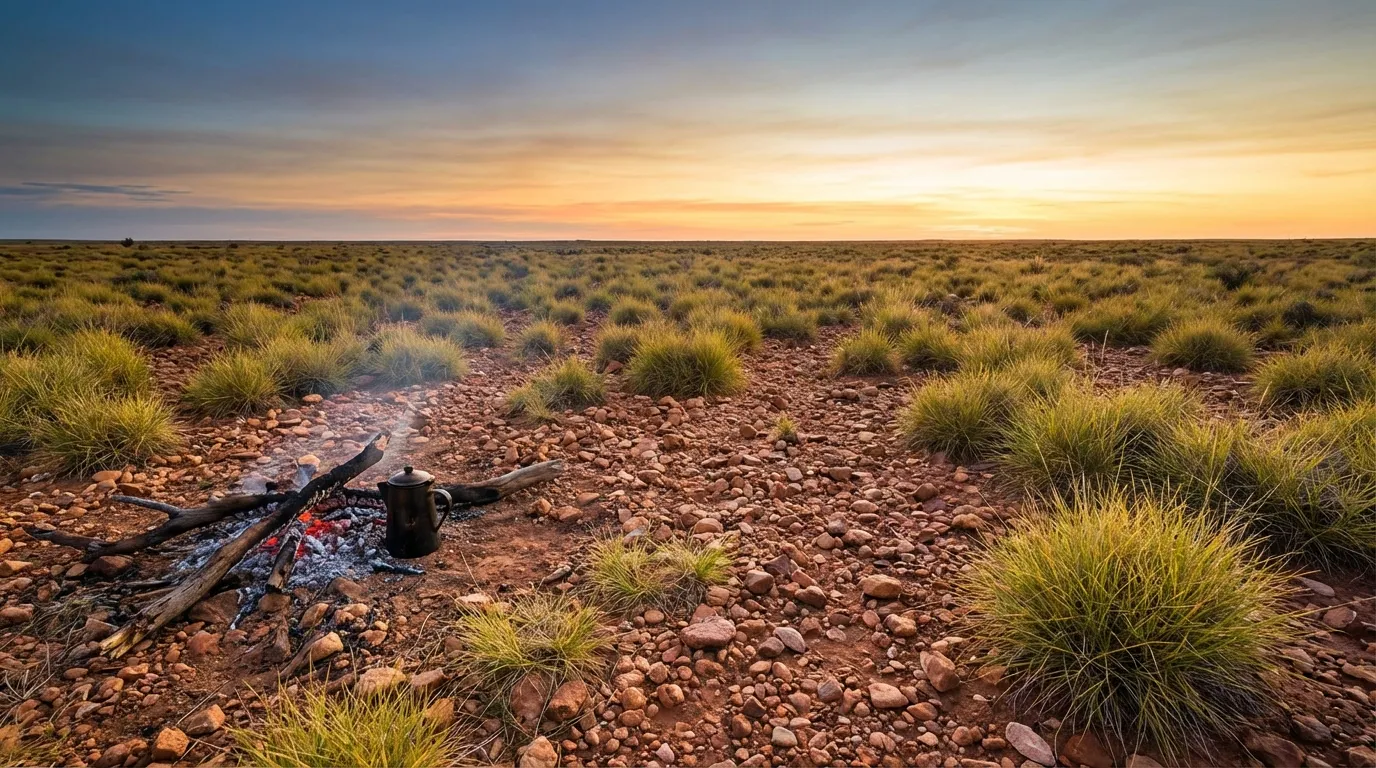
Summer Gold Prospecting in South Australia: Heat Safety and Best Practices
Essential guide to safe and successful summer prospecting in South Australia. Learn heat management, location selection, and techniques for SA's extreme conditions.
Summer Gold Prospecting in South Australia: Heat Safety and Best Practices
South Australian summers present some of Australia’s most extreme prospecting conditions, with temperatures regularly exceeding 40°C and occasionally reaching 45-48°C in northern goldfields. However, with proper preparation, timing, and heat management strategies, summer prospecting in SA can be productive and relatively safe. This guide provides essential information for prospecting during SA’s challenging summer months.
Understanding SA Summer Conditions
Temperature Realities
Adelaide Hills Region:
- Typically 28-38°C during summer days
- Occasionally exceeds 40°C during heatwaves
- Nights cool to 15-22°C
- Highest elevation areas slightly cooler
Mid-North and Flinders Ranges:
- Regularly 35-42°C
- Heatwaves push temperatures to 44-46°C
- Hot, dry conditions
- Minimal shade in many areas
Far North Goldfields:
- Extreme: 40-48°C common
- Minimal cooling at night (often 25-30°C minimum)
- Extremely low humidity
- Intense sun exposure
- Genuinely dangerous conditions
Associated Hazards
Heat-Related Illness:
- Heat exhaustion: Weakness, nausea, dizziness, headache
- Heat stroke: Life-threatening emergency requiring immediate medical attention
- Dehydration: Serious risk in SA’s dry climate
- Sunburn and sun damage
Fire Danger:
- Extreme bushfire risk throughout summer
- Total fire ban days are common
- Catastrophic fire danger days occur regularly
- Grassfires can spread with terrifying speed
Wildlife Activity:
- Snakes most active in warm weather
- Seeking water sources (including your water containers)
- More aggressive when heat-stressed
Location Selection for Summer
Adelaide Hills: The Smart Summer Choice
Advantages:
- Cooler than northern goldfields (5-10°C difference)
- Shaded forest environments
- Closer to services and assistance
- Easier escape in emergency
- Water more readily available
Recommended Approach:
- Focus on forested creek areas with shade
- Detect early morning (6am-10am) and late afternoon/evening (5pm-8pm)
- Avoid midday prospecting during hot days (11am-4pm)
- Choose areas close to vehicle and facilities
Best Adelaide Hills Summer Spots:
- Jupiter Creek (forested, shaded)
- Echunga Creek systems (tree cover)
- Higher elevation areas (slightly cooler)
Mid-North: Marginal During Summer
Challenges:
- Hot, exposed conditions
- Limited shade
- Remote from services
- Fire danger high
If Prospecting Mid-North in Summer:
- Early morning only (before 10am)
- Carry excessive water
- Have heat escape plan
- Monitor weather forecasts closely
- Cancel trips on extreme heat days (38°C+)
Far North: Generally Avoid in Summer
Reality Check:
- Temperatures regularly 42-48°C
- Genuinely dangerous conditions
- Heat stroke risk is serious
- Vehicle breakdowns can be fatal
- Not worth the risk for recreational prospecting
Strong Recommendation: Save far north goldfields for autumn through spring (March to November). Summer prospecting in far north SA is unnecessarily dangerous for recreational purposes.
Heat Management Strategies
Timing Your Prospecting
Optimal Times:
Early Morning (6am-10am):
- Coolest part of day
- Pleasant detecting conditions
- Wildlife less active
- 3-4 hours of productive time
Late Afternoon/Evening (5pm-8pm sunset):
- Temperature dropping
- Comfortable detecting
- Beautiful light for photography
- 2-3 hours of productive time
Avoid: Midday prospecting (11am-4pm) on hot days (30°C+). The risk outweighs potential finds.
Water Management
How Much to Carry:
- Minimum 4 litres per person for a few hours
- 6-8 litres for full day
- Extra water in vehicle (20+ litres)
- Plan for breakdowns and delays
Hydration Strategy:
- Drink before you feel thirsty
- Regular small amounts better than infrequent large drinks
- Monitor urine colour (should be pale yellow)
- Avoid alcohol (dehydrates)
- Limit caffeine (mild diuretic effect)
- Electrolyte drinks help replace salts lost in sweat
Signs of Dehydration:
- Thirst (already mildly dehydrated)
- Dark urine
- Headache
- Dizziness
- Fatigue
- Dry mouth
Clothing and Protection
Optimal Summer Prospecting Clothing:
Shirt:
- Long-sleeved, light-colored
- Lightweight, breathable fabric (cotton or specialized sun-protection fabric)
- Loose fit for air circulation
- UPF 50+ sun protection rating ideal
Pants:
- Long pants for snake protection and sun protection
- Light-colored, breathable fabric
- Some prospectors use lightweight hiking pants
- Avoid jeans (heavy, hot, slow to dry if wet)
Hat:
- Wide-brimmed (10cm+ brim all around)
- Light-colored
- Ventilated crown
- Chin strap to prevent loss in wind
Footwear:
- Sturdy boots for snake protection
- Breathable if possible
- Thick socks for protection and comfort
Accessories:
- Sunglasses (UV protection essential)
- Neck gaiter or bandana (can wet for cooling)
- Sunscreen SPF 50+ (reapply every 2 hours)
Cooling Techniques
Active Cooling:
- Wet bandana around neck
- Cooling towels (specialized products)
- Wet hat or cap
- Rest in shade regularly (every 30-45 minutes)
- Cooling vests (for serious summer detecting)
Environmental Cooling:
- Seek shade whenever possible
- Work in creek beds (often cooler)
- Forest areas cooler than open ground
- Position vehicle to provide shade
Recognize Heat Exhaustion Early: Early symptoms requiring immediate action:
- Heavy sweating
- Weakness or fatigue
- Dizziness
- Nausea
- Headache
- Muscle cramps
Immediate Treatment:
- Stop prospecting immediately
- Move to shade or air conditioning
- Drink water
- Remove excess clothing
- Cool body with wet cloths
- Rest completely
- Seek medical help if symptoms don’t improve quickly
Heat Stroke Emergency: Symptoms (medical emergency):
- High body temperature (40°C+)
- Hot, dry skin (sweating has stopped)
- Confusion or altered mental state
- Loss of consciousness
- Seizures
Action:
- Call 000 immediately
- Move to shade
- Cool person rapidly (any method available)
- Do not give water if unconscious
- This is life-threatening – requires immediate medical help
Fire Safety in Summer
Fire Danger Ratings
Check Daily: Visit CFS (Country Fire Service) website for current fire danger rating:
Low-Moderate (Green): Normal caution required
High (Yellow): Increased caution, be prepared
Extreme (Orange):
- Reconsider prospecting plans
- Don’t use metal detectors (potential spark risk)
- Have evacuation plan ready
Catastrophic (Red):
- DO NOT prospect
- DO NOT travel to bush areas
- Stay in towns with good defenses
- Fire will be uncontrollable if starts
Total Fire Ban Days
What It Means:
- No fires of any kind (includes camp stoves in some cases)
- No spark-producing activities
- Metal detecting creates potential spark risk
- Don’t drive off formed tracks
- Have fire extinguisher immediately accessible
Your Obligations:
- Check fire restrictions before every trip
- Obey total fire ban day restrictions
- Cancel prospecting trips on catastrophic days
- Be prepared to evacuate if fire approaches
Bushfire Survival Planning
If Prospecting During Fire Season:
- Know multiple evacuation routes
- Have CFS app on phone for fire warnings
- Position vehicle for rapid departure
- Don’t prospect in areas with single access roads
- Have bushfire survival plan (stay or go decision made before fire threatens)
- Carry fire extinguisher and wool blankets in vehicle
Equipment Considerations
Metal Detector Management
Heat Effects on Electronics:
- Batteries drain faster in heat
- LCD screens can fail in extreme heat
- Electronics can overheat
Protection Strategy:
- Carry multiple sets of batteries
- Store spare batteries in cool location (esky/cooler)
- Cover detector when not in use
- Don’t leave detector in hot vehicle
- Allow detector to cool if overheating
- Consider detector shade/cover for sensitive components
Modified Equipment List
Essential Summer Additions:
- Esky/cooler for water and supplies
- Extra water containers
- Cooling towels or products
- Comprehensive first aid kit (heat stress supplies)
- Sunscreen (SPF 50+)
- Electrolyte replacement drinks or tablets
- Satellite phone or EPIRB for remote areas
Vehicle Essentials:
- Air conditioning (functional)
- Extra fuel (running AC uses more fuel)
- Vehicle recovery equipment
- Spare water (20+ litres)
- Fire extinguisher
- Emergency blankets
- First aid kit
Detecting Techniques for Summer
Work Smarter, Not Longer
Efficiency Focus:
- Target high-probability areas only
- Don’t waste energy on marginal locations
- Methodical, slow detecting (rushing wastes energy)
- Take breaks frequently
- Listen to your body
Shorter Sessions:
- Plan 2-3 hour sessions maximum
- Rest in shade between sessions
- Don’t push through heat exhaustion warning signs
- Tomorrow is another day – don’t risk health for gold
Optimal Summer Locations
Seek Shade:
- Forested creek areas
- Under tree canopy
- North-facing slopes (southern hemisphere – shaded during midday)
- Areas with natural wind flow
Avoid:
- Open, exposed areas during midday
- North-facing slopes during peak heat
- Areas without shade
- Long walks from vehicle in heat
Alternative Summer Prospecting Activities
Research and Planning
Summer’s extreme conditions make it ideal for:
- Historical research in air-conditioned State Library
- Planning future trips for cooler months
- Studying maps and geological reports
- Connecting with prospecting clubs
- Equipment maintenance and preparation
- Processing concentrates at home
Early Morning Panning
Advantages:
- Stationary activity (less exertion than detecting)
- Often in shaded creek areas
- Water provides cooling effect
- Productive use of coolest hours
Strategy:
- Start at first light (6am)
- Work until 9-10am
- Pack up before heat builds
- Process material in shade
Evening Detecting
Benefits:
- Pleasant temperatures
- Beautiful light
- Wildlife viewing opportunities
- Less crowded
Considerations:
- Limited time before dark
- Need good lighting if working past sunset
- Navigation in dark requires preparation
When to Cancel or Postpone
Hard Cut-Off Temperatures
Adelaide Hills:
- Consider canceling if forecast exceeds 38°C
- Definitely cancel if forecast exceeds 40°C
Mid-North:
- Consider canceling if forecast exceeds 36°C
- Definitely cancel if forecast exceeds 38°C
Far North:
- Don’t prospect in summer (any forecast over 38°C)
Other Cancellation Triggers
Definitely Cancel If:
- Catastrophic fire danger day
- Total fire ban with extreme temperatures
- Heatwave conditions (multiple consecutive hot days)
- Personal health issues (illness, poor sleep, etc.)
- Inadequate preparation or water supply
Risk vs. Reward: No amount of gold is worth heat stroke or bushfire injury. Err on the side of caution.
Best Practices Summary
Planning Phase
- Check weather forecast (temperature, fire danger)
- Check CFS website for fire restrictions
- Plan early morning or evening sessions only
- Choose Adelaide Hills over northern goldfields
- Select shaded, accessible locations
- Inform someone of plans and expected return
Preparation Phase
- Carry excessive water (more than you think you’ll need)
- Pack comprehensive sun protection
- Prepare cooling equipment
- Charge all electronics
- Have multiple detector batteries
- Pack comprehensive first aid kit
Execution Phase
- Start early (6am) or late afternoon (5pm+)
- Drink water constantly
- Rest in shade every 30-45 minutes
- Monitor heat stress symptoms
- Stop immediately if feeling unwell
- Fill all holes as you go
- Don’t push through warning signs
Return Phase
- Rehydrate thoroughly
- Cool down gradually
- Monitor for delayed heat stress symptoms
- Rest adequately before next session
Conclusion
Summer prospecting in South Australia demands respect for extreme conditions and careful risk management. While challenging, summer detecting can be productive and safe if you:
- Focus on cooler Adelaide Hills locations
- Prospect during early morning and evening only
- Carry excessive water and sun protection
- Monitor fire danger ratings religiously
- Cancel trips when conditions are extreme
- Listen to your body’s warning signs
The reality is that autumn through spring (March to November) provides far better prospecting conditions in SA. Summer’s extreme heat, fire danger, and health risks often outweigh the benefits of prospecting. Many experienced SA prospectors simply avoid summer detecting altogether, using hot months for research, planning, and equipment preparation.
If you do prospect during summer, prioritize safety absolutely. Gold can be found year-round, but your health and safety are irreplaceable. Make smart decisions, prepare thoroughly, and know when to cancel or cut short a trip. The goldfields will still be there when temperatures moderate – there’s no need to risk serious injury or death for recreational prospecting.
Stay safe, stay cool, and save your most ambitious prospecting for SA’s more hospitable seasons.