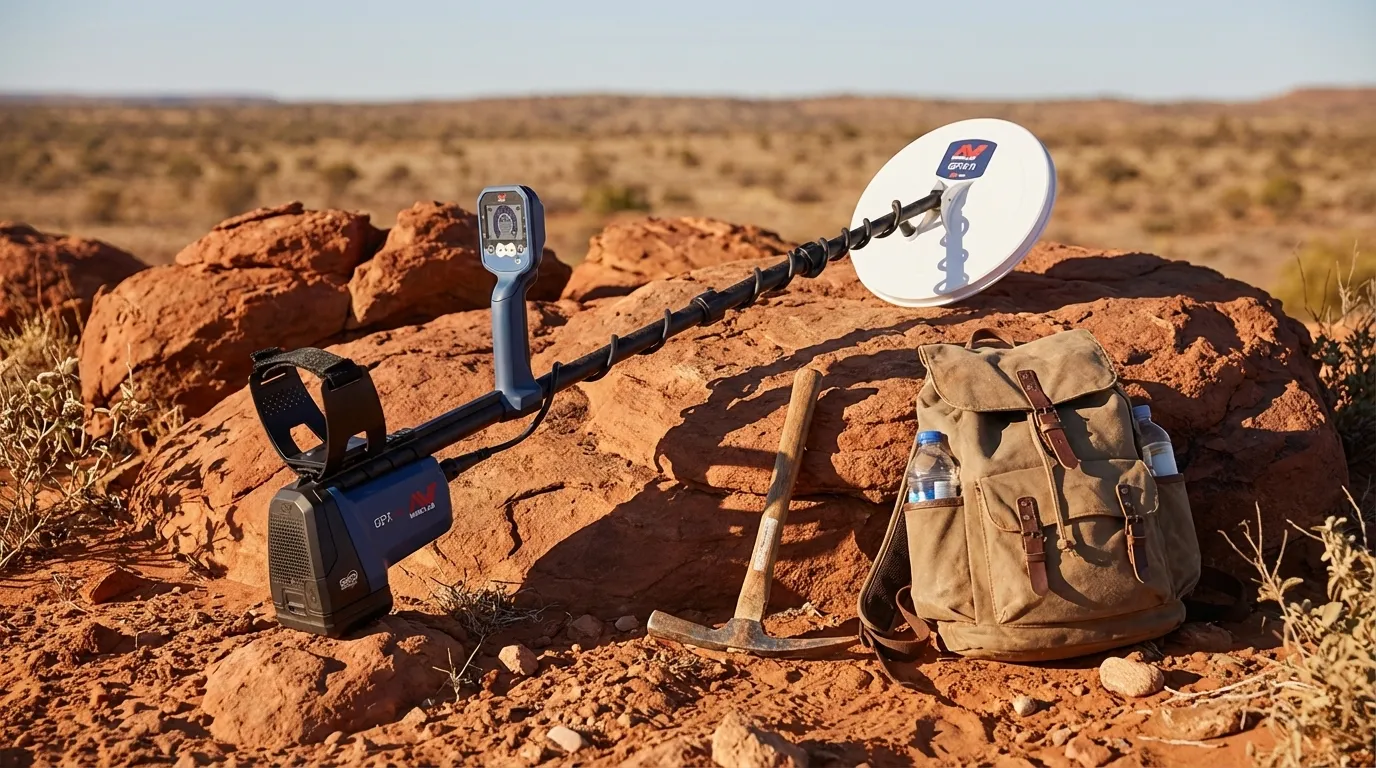
South Australia Gold Prospecting Guide: Locations, Laws and Techniques
Complete guide to gold prospecting in South Australia. Learn about the best goldfields, legal requirements, recommended techniques, and where to find gold in SA.
South Australia Gold Prospecting Guide: Locations, Laws and Techniques
South Australia’s goldfields may be less famous than their Victorian or Western Australian counterparts, but they offer excellent opportunities for modern prospectors. With less detecting pressure, diverse geological settings, and a fascinating gold mining history, SA provides rewarding experiences for both novice and experienced prospectors. This comprehensive guide covers everything you need to know about finding gold in South Australia, from legal requirements to productive locations and proven techniques.
South Australia’s Gold Mining Heritage
Historical Overview
Gold was first officially discovered in South Australia in 1846 at Glen Osmond, near Adelaide – predating the famous Victorian and NSW discoveries by several years. However, SA’s gold rushes were generally smaller and more dispersed than the massive strikes in Victoria and WA.
Major Gold Discoveries:
Echunga Goldfield (1852): In the Adelaide Hills, this field attracted considerable attention despite modest production compared to Victorian fields.
Teetulpa-Yudnamutana (1860s): Far north SA discoveries that, while remote, produced significant gold and spawned mining settlements.
Callington (1866): East of Adelaide, this field saw substantial alluvial and reef mining activity.
Burra Region: While famous for copper, the Burra area also yielded gold from various locations.
Jupiter Creek: Near Echunga, this area produced both alluvial and reef gold.
Modern Prospecting Potential
South Australia’s goldfields offer several advantages for modern prospectors:
Less Pressure: Compared to Victorian and WA goldfields, SA sees fewer prospectors, meaning less competition and less-detected ground.
Variety of Settings: From arid northern goldfields to Adelaide Hills forests, SA offers diverse prospecting environments.
Accessibility: Many goldfields are within reasonable distance of Adelaide, making day trips or weekend expeditions practical.
Ongoing Discoveries: Modern prospectors continue finding gold in SA, with metal detecting being particularly productive.
Smaller-Scale Operations: SA’s goldfields were never as intensively worked as major eastern states fields, potentially leaving more gold for modern prospectors.
Understanding SA’s Geology
Geological Settings
South Australia’s gold occurs in several distinct geological environments:
Adelaide Fold Belt: Hosting goldfields in the Adelaide Hills and Flinders Ranges, this Proterozoic to Cambrian-age belt contains metamorphosed sediments with gold-bearing quartz veins.
Gawler Craton: Ancient crystalline rocks in SA’s north and west host significant gold deposits, including the Olympic Dam region and northern goldfields.
Curnamona Province: Eastern SA’s rocks host various mineral deposits including some gold occurrences.
Gold Types
Alluvial Gold: Found in creek systems and ancient drainage channels:
- Generally fine to medium-sized
- Most accessible for beginners
- Concentrated in natural gold traps
- Responsive to panning and detecting
Reef Gold: Associated with quartz veins in bedrock:
- Can be coarse and nuggetty
- Often requires detecting for discovery
- May occur as gold in quartz specimens
- Follow quartz float to source reefs
Eluvial Gold: Found in weathered rock and soil near primary sources:
- Intermediate between reef and alluvial
- Not transported far from origin
- Often occurs on hillsides and slopes
- Good detecting prospects
Lateritic Gold: In some areas, gold concentrates in laterite (weathered iron-rich surface layer):
- Can be surprisingly rich
- Requires detecting to locate efficiently
- Often associated with ironstone
Legal Requirements
Fossicking Permits
To legally prospect in South Australia, you need appropriate authorization:
Minerals Claim Exemption Certificate (MCEC):
- Required for recreational fossicking on Crown land
- Cost: $25.50 for one year
- Apply through Department for Energy and Mining (DEM) online portal
- Also known as “fossicking permit” or “MCEC”
What the MCEC Permits:
- Recreational mineral fossicking on designated Crown land
- Use of hand tools and metal detectors
- Collection of minerals for personal use (not commercial sale)
- Small-scale prospecting activities
Where to Apply:
- Online: energymining.sa.gov.au
- DEM offices (limited locations)
- Applications processed electronically
- Certificate issued as downloadable PDF
Excluded Land Types
Your MCEC does NOT permit fossicking on:
National Parks: Generally prohibited in SA national parks and conservation parks.
Private Property: Requires landowner’s explicit written permission AND potentially additional authority.
Aboriginal Lands: Requires specific permits from relevant Aboriginal authorities.
Mining Leases: Active commercial mining operations hold exclusive rights.
Heritage Sites: Areas protected under heritage legislation.
Water Reserves: Protected water supply catchments.
Defense Land: Military training areas and facilities.
Proclaimed Areas: Some areas specifically excluded by regulation.
Always verify land tenure before prospecting using DEM mapping tools.
Private Land Prospecting
If you have landowner permission to prospect on private property:
Requirements:
- Written permission from the landowner
- The MCEC is generally sufficient for small-scale activity
- More extensive operations may require Exploration Licence
- Clear agreement on:
- Areas you may access
- Time periods of access
- Any restrictions or conditions
- Restoration obligations
Negotiating Access:
- Approach landowners professionally and courteously
- Explain your intentions clearly
- Respect any concerns or restrictions
- Offer to share information about significant finds
- Maintain good relationships through responsible behaviour
- Leave the property in better condition than you found it
Regulations and Restrictions
Equipment Limits:
- Hand tools only (picks, shovels, pans, detectors)
- No mechanical earth-moving equipment
- No explosives
- Some restrictions on excavation methods near waterways
Excavation Depth:
- Generally limited to 1 metre depth for recreational prospecting
- Deeper excavation requires exploration or mining licence
Environmental Protection:
- Fill all holes completely
- Minimize vegetation disturbance
- Protect waterways from sedimentation
- Don’t prospect in environmentally sensitive areas
- Follow all signage and closures
Heritage Protection:
- Don’t disturb Aboriginal sites or artifacts
- Report significant Aboriginal discoveries to Aboriginal Affairs and Reconciliation
- Don’t remove or damage historic mining artifacts
- Photograph heritage items in situ
Fire Safety:
- Observe total fire ban days (no detecting on extreme fire danger days)
- Don’t create spark risks during fire season
- Carry fire extinguisher
- Know evacuation routes
Productive Gold Prospecting Areas
Adelaide Hills Goldfields
The Adelaide Hills region hosted SA’s earliest gold discoveries and remains accessible for modern prospectors.
Echunga Area:
- Historic alluvial and reef gold area
- Some State forest areas permit prospecting
- Private land requires permission
- Focus on old creek systems and around historical workings
- Both detecting and panning can be productive
Jupiter Creek:
- Historic productive area near Echunga
- Check land tenure carefully (mix of private and Crown land)
- Quartz reefs and alluvial gold
- Beautiful forested setting
Callington District:
- East of Mount Barker
- Historical reef and alluvial mining
- Verify legal access before prospecting
- Some areas on private property require permission
Kanmantoo Area:
- Historical copper and gold mining
- Modern copper mine operates in area (avoid active mining areas)
- Some legal prospecting areas remain
- Check current restrictions
Access Considerations:
- Much of Adelaide Hills is private property
- Some State forest areas permit fossicking
- Pockets of Crown land exist
- Always verify land tenure before prospecting
- Popular areas may be well-worked
Flinders Ranges Region
The Flinders Ranges offer unique prospecting opportunities in spectacular landscapes.
Moralana Area:
- Historical gold and copper mining
- Remote but accessible
- Check land tenure (mix of Crown land, pastoral leases, parks)
- Scenic prospecting environment
Blinman District:
- Famous for copper, but some gold occurs
- Historic mining town with fascinating history
- Verify prospecting permissions in specific areas
- Some areas are within national park boundaries (generally off-limits)
Aroona Valley:
- Some gold occurrences reported
- Verify land tenure carefully
- Spectacular scenery
Northern Flinders:
- Various small gold occurrences
- Remote and challenging access
- Verify land status (pastoral leases, Aboriginal land, conservation areas)
Important: Much of the Flinders Ranges is national park, conservation park, or private land. Legal prospecting areas are limited but exist. Thorough research is essential.
Far North Goldfields
SA’s far north hosted significant historical gold mining and offers opportunities for adventurous prospectors.
Teetulpa-Yudnamutana:
- Historical goldfield producing significant gold in the 1860s-1870s
- Extremely remote (500+ km from Adelaide)
- Hot, arid conditions
- Some areas remain legal for prospecting
- Verify land tenure (mix of Crown land, pastoral leases)
- Requires serious 4WD capability and thorough preparation
Stuart Range:
- Near Coober Pedy
- Some gold occurrences
- Extremely remote and challenging
- Mainly opal mining area, but gold found in some locations
Olary Province (Eastern SA):
- Near NSW border
- Various mineral occurrences including some gold
- Remote pastoral country
- Verify access with pastoral leaseholders
Far North Considerations:
- Extreme heat (summer temperatures regularly exceed 45°C)
- Limited water availability
- Vast distances between services
- Serious 4WD and bush skills required
- Satellite communication recommended
- Inform authorities of your plans
- Not suitable for beginners or casual day trips
Mid-North and Yorke Peninsula
Some gold occurrences exist in SA’s mid-north and Yorke Peninsula, though generally smaller than southern or northern fields.
Burra Region:
- Famous copper mining district
- Some gold occurrences associated with mineralisation
- Mix of private land and limited Crown land
- Historic interest adds to prospecting experience
Moonta-Wallaroo:
- Yorke Peninsula copper mining district
- Some gold found with copper mineralisation
- Mostly private land
- Rich mining heritage
Kapunda Area:
- Historic copper mining
- Some gold occurrences
- Private land predominates
General Note: These areas are primarily known for copper rather than gold, but mineralised zones sometimes contain associated gold. Expect limited gold potential compared to dedicated goldfields.
Prospecting Techniques for SA
Metal Detecting
Metal detecting is the most productive prospecting method in most SA goldfields.
Equipment Recommendations:
Detector Types:
- Pulse induction (PI) detectors excel in mineralised ground: Minelab GPX series, SDC 2300, GPZ 7000
- Multi-frequency detectors: Minelab Equinox series offer versatility
- VLF detectors: Can work in less mineralised areas but may struggle in hot ground
Coil Selection:
- Medium to large coils (11-15 inches) for general detecting
- Smaller coils (8-10 inches) for rocky areas and around old workings
- Carry multiple coils for different conditions
Detection Strategy:
- Work systematically in straight lines or grid patterns
- Swing slowly and keep coil close to ground
- Overlap swings to ensure complete coverage
- Investigate all signals in known gold ground
- Dig targets carefully to avoid damage
- Fill all holes completely
Productive Locations to Detect:
- Old digging areas and around historical workings
- Creek beds and gullies (even if dry)
- Hillsides below quartz outcrops
- Areas with quartz float on surface
- Around old camp sites and paths
- Areas recently disturbed by erosion or land clearing (where legal)
Gold Panning
Panning remains effective in areas with water or where you can bring water.
Best Panning Locations:
- Adelaide Hills creek systems
- Flinders Ranges seasonal creeks (after rain)
- Any creek system in historical gold areas
Panning Technique:
- Collect material from productive-looking spots:
- Inside bends of creeks
- Behind rocks and obstacles
- Exposed bedrock crevices
- Gravel bars (downstream ends)
- Classify material to remove large rocks
- Pan carefully, working down to black sand concentrate
- Separate gold from black sand with careful final cleanup
When to Pan:
- After rainfall when creeks flow
- Year-round if you bring water to pan dry material
- As a prospecting tool to test areas before detecting
Dry Washing
In SA’s arid areas, dry washing can be highly effective.
When to Use:
- Northern goldfields with limited water
- Anywhere during drought conditions
- Processing material from areas without water access
Technique:
- Collect material from promising locations
- Classify to remove large rocks
- Process through dry washer using air pulsation
- Concentrate heavy minerals
- Final processing at home with water
Material Selection:
- Gullies and drainage lines
- Around quartz outcrops
- Old mullock heaps
- Behind natural barriers on hillsides
- Areas showing ironstone or mineralisation indicators
Crevicing
In areas with exposed bedrock, crevicing can be very productive.
Method:
- Locate exposed bedrock in creek beds or on hillsides
- Identify cracks and crevices
- Use crevicing tools (flat screwdriver, brush, spoon) to extract material
- Pan or detect material separately
- Crevices can contain surprisingly rich concentrations
Best Locations:
- Creek crossings where bedrock is exposed
- Hillside rock outcrops
- Old reef workings with exposed rock
- Any area with visible bedrock
Seasonal Considerations
Summer (December-February)
Conditions:
- Extremely hot, especially in northern SA (often 35-45°C, occasionally higher)
- Dry conditions generally good for detecting
- Severe bushfire danger
- Popular holiday period but heat limits activity
Recommendations:
- Prospect early morning and late afternoon only
- Avoid northern goldfields in summer (dangerously hot)
- Carry excessive water (5+ litres per person)
- Adelaide Hills higher elevation provides cooler options
- Check fire danger ratings daily
- Don’t detect on total fire ban days
Autumn (March-May)
Conditions:
- Ideal prospecting weather (20-30°C)
- Dry ground excellent for detecting
- Pleasant camping conditions
- Less crowded than summer holidays
Recommendations:
- Best season for northern goldfields (before extreme heat returns)
- Excellent for Adelaide Hills prospecting
- Comfortable for multi-day trips
- Still carry adequate water
Winter (June-August)
Conditions:
- Mild in Adelaide Hills (10-18°C)
- Cold nights, especially in northern areas
- Possible rain (replenishes water for panning)
- Least crowded period
Recommendations:
- Great season for Adelaide Hills and mid-north prospecting
- Northern areas can be comfortable during day but very cold at night
- Dress in layers
- Wet conditions can make access difficult in some areas
- Rain makes panning more viable
Spring (September-November)
Conditions:
- Warming weather (15-28°C)
- Possible spring rains
- Wildflowers bloom (especially in Flinders Ranges)
- Generally excellent prospecting weather
Recommendations:
- Outstanding season for all SA goldfields
- Water may be available in seasonal creeks
- Comfortable temperatures for remote northern prospecting
- Watch for weather changes
Safety and Preparation
Remote Area Safety
Many SA goldfields are remote, requiring careful preparation:
Essential Safety Measures:
- Tell someone your detailed plans and expected return
- Carry satellite phone or EPIRB (personal locator beacon) for remote areas
- Bring comprehensive first aid kit
- Carry extensive water (plan for breakdowns and delays)
- Have recovery equipment for vehicle bogging
- Know your vehicle’s capabilities and limitations
- Carry detailed maps and GPS
- Bring emergency food supplies
- Have contingency plans
Vehicle Preparation:
- Proper 4WD vehicle for remote areas
- Spare tyre(s) and tools
- Compressor for tyre pressure adjustment
- Recovery equipment (snatch strap, shovel, MaxTrax)
- Extra fuel (remote areas have vast distances between fuel stops)
- Comprehensive tool kit
- Spare parts (belts, hoses, fuses, bulbs)
Environmental Hazards
Heat: SA’s heat can be extreme and dangerous:
- Carry excessive water
- Recognize heat exhaustion and heat stroke symptoms
- Rest in shade regularly
- Wear appropriate clothing and hat
- Avoid exertion during hottest parts of day
- Never underestimate SA’s summer heat
Snakes: Common throughout SA, especially warmer months:
- Wear boots and long pants
- Watch where you place hands and feet
- Be alert around rocks, logs, and old workings
- Know snake bite first aid (compression bandage, immobilization)
- Carry compression bandages
- Most snakes flee if given opportunity
Dehydration: Serious risk in SA’s dry climate:
- Drink water regularly before feeling thirsty
- Monitor urine color (should be pale)
- Recognize dehydration signs
- Carry at least double the water you think you’ll need
Isolation: Remote areas mean help is far away:
- Medical evacuation may take hours
- Mobile coverage is limited or non-existent
- Self-reliance is essential
- Don’t prospect alone in very remote areas
Old Mine Workings Safety
Shaft Dangers:
- SA has thousands of old mine shafts, many hidden
- Stay away from obvious shafts and fenced areas
- Watch for depressions indicating collapsed shafts
- Ground around shafts can be unstable
- Keep children under close supervision
Never Enter:
- Old mine tunnels or adits
- Underground workings of any kind
- Dangerous structures
- Fenced or signed dangerous areas
Equipment Checklist
Detection Equipment
Essential:
- Quality metal detector suitable for gold
- Spare batteries (many sets)
- Quality headphones
- Pick and small shovel
- Gold bottle or container
- Knee pad
- Water and snacks
Recommended:
- Multiple coils
- GPS device
- Camera
- Magnifying glass
- Battery charger and power pack
Processing Equipment
For Panning:
- Gold pan (14-inch)
- Classifiers (½-inch and ¼-inch mesh)
- Sniffer bottle
- Buckets
- Collection vials
For Dry Washing:
- Portable dry washer
- Classifiers
- Collection pan
- Storage containers
Camping and Safety
Camping:
- Tent or vehicle-based accommodation
- Sleeping bag (rated for season)
- Cooking equipment
- Water containers (extensive capacity)
- Lighting
- Maps and navigation tools
Safety:
- Comprehensive first aid kit
- Snake bite bandages
- Satellite phone or EPIRB for remote areas
- Fire extinguisher
- Emergency food and water
- Sun protection (hat, sunscreen, sunglasses)
- Mobile phone and car charger
Tips for Success
Research Thoroughly
Before Prospecting:
- Study historical mining records (State Library of SA)
- Review old mining maps
- Research specific areas’ geological characteristics
- Check current access restrictions
- Join SA prospecting clubs for local knowledge
- Review online forums and social media groups
Start in Accessible Areas
For Beginners:
- Adelaide Hills goldfields offer reasonable access and facilities
- Day trips from Adelaide are practical
- Less extreme conditions than far north
- Opportunity to learn before tackling remote areas
Join Local Clubs
Benefits:
- Access to experienced prospectors’ knowledge
- Group trips to productive areas
- Training in techniques and equipment
- Updated information on access and regulations
- Social connections
SA Prospecting Clubs:
- Various clubs operate in Adelaide and regional areas
- Online forums provide virtual community
Be Patient and Persistent
Reality Check:
- SA goldfields generally produce smaller, less frequent finds than major WA or Victorian fields
- Success requires patience and persistence
- Small gold accumulates
- The adventure and environment are part of the reward
Respect the Land
Environmental Stewardship:
- Fill all holes
- Remove all rubbish
- Minimize disturbance
- Respect wildlife
- Follow fire restrictions absolutely
- Leave areas better than you found them
Accommodation and Services
Adelaide Hills
- Easy access to Adelaide services
- Multiple small towns with basic services
- Caravan parks and camping areas
- Accommodation options
- Fuel and supplies readily available
Flinders Ranges
- Limited services in small towns (Hawker, Quorn, Wilpena)
- Caravan parks and camping areas
- Bush camping in some areas
- Fuel and basic supplies available but limited
- Plan ahead and be self-sufficient
Far North
- Very limited services
- Towns like Marree, William Creek widely spaced
- Fuel critical to plan carefully
- Accommodation limited
- Completely self-sufficient essential
- Satellite communication recommended
Conclusion
South Australia’s goldfields offer rewarding prospecting opportunities for those willing to invest time in research, preparation, and exploration. While SA may not have the fame of Victoria’s golden triangle or WA’s goldfields, this relative obscurity means less competition and potentially more overlooked gold.
Success in SA requires proper permits (MCEC), appropriate equipment, thorough research, sound technique, and respect for the environment and safety considerations. The diversity of SA’s goldfields – from accessible Adelaide Hills locations to remote far northern fields – provides options for all experience levels and adventure appetites.
Whether you’re seeking a weekend detecting trip in the Adelaide Hills, exploring the spectacular Flinders Ranges, or planning a serious expedition to remote northern goldfields, South Australia offers genuine opportunities for gold discovery combined with beautiful landscapes and fascinating history.
Obtain your MCEC, invest in quality equipment, research thoroughly, respect the land, and experience SA’s rewarding though challenging prospecting opportunities. The gold is there for those prepared to put in the effort to find it.