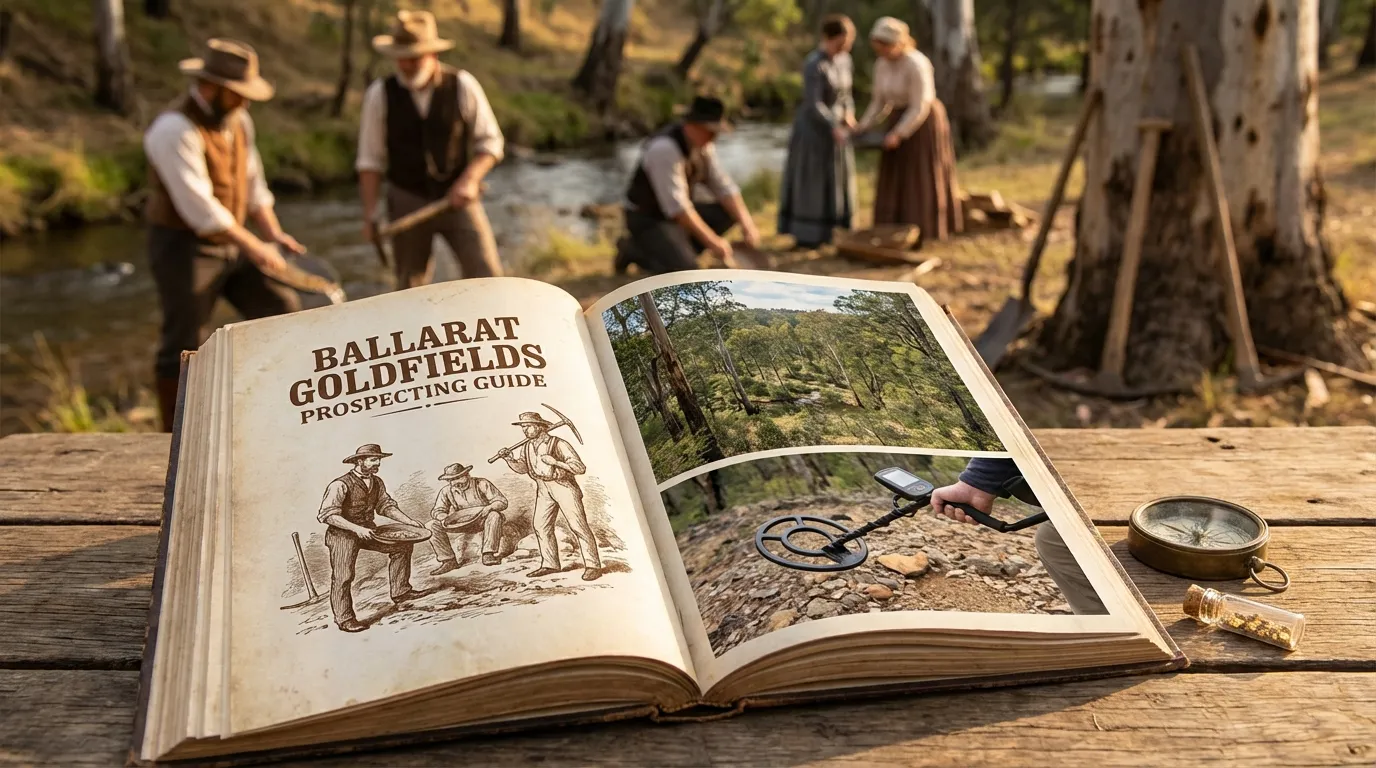
Ballarat Goldfields Prospecting Guide: Victoria's Premier Gold Location
Complete guide to gold prospecting in the legendary Ballarat goldfields. Learn locations, techniques, regulations, and tips for finding gold in Victoria's richest field.
Ballarat Goldfields Prospecting Guide: Victoria’s Premier Gold Location
The Ballarat goldfields stand as Australia’s most famous and productive gold mining district, having yielded over 2,000 tonnes of gold since the discovery that sparked Victoria’s gold rush in 1851. Today, this legendary region continues to attract prospectors from across Australia and around the world, offering genuine opportunities to find gold using modern equipment and techniques. Whether you’re a first-time prospector or an experienced detector user, Ballarat’s rich history and ongoing potential make it an essential destination.
The Ballarat Goldfields Legacy
Historical Significance
Gold was discovered at Ballarat in August 1851, just months after the initial Victorian gold discoveries. What set Ballarat apart was the extraordinary richness of its deposits. Within years, tens of thousands of prospectors flocked to the region, transforming it from pastoral land into Victoria’s largest inland city.
Ballarat produced legendary finds, including:
- The “Welcome Stranger” – the largest alluvial gold nugget ever found (72 kg), discovered at nearby Moliagul in 1869
- The “Welcome Nugget” – 69 kg, found at Ballarat in 1858
- Countless substantial nuggets throughout the goldfields’ history
- Rich alluvial deposits that were worked extensively by hand
- Deep lead deposits that sustained mining for decades
The goldfields spawned the Eureka Stockade rebellion in 1854, a pivotal moment in Australian democracy when miners rebelled against oppressive licence fees and government authority. This historical significance adds depth to the modern prospecting experience.
Modern Prospecting Reality
While Ballarat has been intensively worked for 170+ years, modern prospectors continue finding gold for several reasons:
Technological Advantage: Modern metal detectors can find gold that was completely undetectable to historical miners. Even heavily-worked areas yield gold to contemporary equipment.
Depth Capability: Modern detectors reach deeper than hand digging allowed. Gold below the historical working depth remains discoverable.
Overlooked Areas: Between major workings, in areas considered uneconomical historically, and in locations inaccessible to early miners, gold awaits discovery.
Reworked Ground: Environmental changes, erosion, and land disturbance continually expose gold that was previously buried or inaccessible.
Fine Gold: Small gold beneath the economic threshold for historical miners is readily detectable with modern equipment and accumulated, represents significant value.
Understanding Ballarat’s Geology
Geological Formation
The Ballarat goldfields lie within the Western Victorian goldfields region, part of the larger Lachlan Fold Belt geological province. Gold here occurs in multiple geological settings:
Primary Gold Sources: Gold originated in Ordovician-age sedimentary rocks (around 450 million years old) that were subsequently metamorphosed and intruded by quartz veins containing gold. These quartz reefs, running through slate and schist, formed the primary gold sources.
Alluvial Gold: Weathering and erosion over millions of years broke down gold-bearing quartz reefs, releasing gold into drainage systems. This alluvial gold concentrated in creek beds, gullies, and drainage channels, creating the rich shallow deposits that attracted early miners.
Deep Lead Deposits: Ancient river systems, now buried under basalt lava flows and sediments, contain rich gold deposits. These “deep leads” were the richest deposits at Ballarat, requiring extensive mining to reach but yielding extraordinary quantities of gold.
Secondary Enrichment: Oxidation and weathering concentrated gold in some areas, creating particularly rich near-surface deposits in the weathered zone above primary reefs.
Geological Indicators
When prospecting around Ballarat, look for:
Quartz Float: Scattered white quartz pieces often indicate nearby reefs. Follow quartz trails upslope to locate source reefs.
Ironstone: Red, orange, or brown oxidised rock frequently accompanies gold-bearing areas. Heavy ironstone indicates strong mineralisation.
Slate and Schist: These metamorphic rocks host many Ballarat gold deposits. Areas where slate is visible or close to surface are prospective.
Basalt Boundaries: Where basalt meets older sedimentary rocks, gold often concentrates at the contact zone.
Old Workings: Historical diggings, mullock heaps, and shaft sites indicate gold presence. Modern detecting around these areas remains productive.
Colour Changes in Soil: Yellow, red, or orange soils indicate oxidation and potential gold association.
Legal Prospecting Areas
Miner’s Right Requirement
To legally prospect in Victoria, you must hold a current Victorian Miner’s Right. This inexpensive permit ($25.20 for 10 years) is available online through the Victoria Department of Energy, Environment and Climate Action website or from selected post offices.
The Miner’s Right permits:
- Prospecting on unreserved crown land
- Prospecting in designated state forests and reserves
- Use of hand tools and metal detectors
- Recovery of minerals for personal use (not commercial)
Where You Can Prospect
State Forests: Much of the Ballarat goldfields area falls within state forests where prospecting is permitted with a Miner’s Right:
Creswick Regional Park: Immediately north of Ballarat, this extensive area offers numerous prospecting opportunities across diverse geological settings.
Wombat State Forest: Northeast of Ballarat, this large forest encompasses several historic mining areas with ongoing potential.
Enfield State Park: East of Ballarat, Enfield contains old workings and prospecting opportunities.
Specific Goldfield Areas: Several designated goldfields areas around Ballarat remain open to prospecting. Check current maps from the department for exact boundaries.
Restricted Areas
You CANNOT prospect in:
National Parks: Ballarat does not have major national parks nearby, but any national park is off-limits to prospecting.
Private Property: Never prospect on private land without explicit written permission from the landowner.
Urban Ballarat: Residential and commercial areas are obviously off-limits.
Water Catchments: Some areas are protected water supply catchments with restricted access.
Aboriginal Cultural Sites: Protected under heritage legislation. If you encounter Aboriginal artifacts or sites, cease digging and report your find.
Active Mining Leases: Commercial mining operations hold exclusive rights to their lease areas.
Nature Conservation Reserves: Specific reserves prohibiting extractive activities.
Always verify the legal status of areas before prospecting using the Victoria Department resources and detailed maps.
Productive Prospecting Locations
Buninyong District
History: Buninyong saw some of Victoria’s earliest gold discoveries. The area around Mount Buninyong and extending towards Ballarat produced rich alluvial gold.
Current Prospecting: State forest areas around Buninyong continue producing gold for detector users. Focus on:
- Old gully systems
- Areas around historical workings
- Ridge tops where gold concentrated
- Near old mine sites (detecting surface areas only)
Access: Multiple access points from Buninyong township. Popular area with reasonable vehicle access.
Tips: Buninyong gold tends to be fine to medium-sized. Slow, methodical detecting with sensitive settings pays off. The area is well-worked, so patience and thoroughness are essential.
Creswick Area
History: Creswick was one of Victoria’s richest goldfields, producing vast quantities from both alluvial workings and deep leads.
Current Prospecting: Creswick Regional Park offers extensive prospecting opportunities:
- Old creek lines and gullies
- Between historical workings
- Mullock heaps and around old shafts
- Areas opened by modern earthworks
Access: Excellent access throughout the regional park. Multiple camping areas make multi-day prospecting trips practical.
Tips: Creswick has produced significant finds for modern prospectors. Some areas are heavily detected, but new finds continue. Early morning or evening detecting can help avoid crowds during peak periods.
Clunes
History: Clunes hosted Victoria’s first officially recorded gold discovery in 1851. The town and surrounding area produced substantial gold from alluvial and reef sources.
Current Prospecting: Areas around Clunes remain prospective:
- State forest areas north and east of town
- Old water race lines
- Historical digging areas (detecting around, not within, dangerous workings)
Access: Easy access from the town. Local knowledge is valuable – consider connecting with Clunes prospecting community.
Tips: Clunes gold tends to be coarse and nuggetty. While the area is well-known and detected, significant nuggets continue to be found.
Castlemaine and Surrounds
History: While slightly northeast of Ballarat proper, Castlemaine forms part of the broader central Victorian goldfields and offers similar prospecting opportunities.
Current Prospecting: Extensive state forest areas provide varied prospecting terrain:
- Castlemaine Diggings National Heritage Park (check regulations – some areas permit prospecting)
- Surrounding state forests
- Old creek systems
Access: Good access throughout most areas. Popular region with established prospecting community.
Tips: The Castlemaine area has produced some spectacular nuggets in recent years. Detailed research and exploration of less-obvious areas can pay dividends.
Ballarat Outskirts
Areas Around Ballarat City: While urban Ballarat is off-limits, state forests and crown land on the city’s edges offer opportunities:
- Canadian Lead area (north of Ballarat)
- Nerrina area (northwest)
- Mount Rowan area (southeast)
These areas see less pressure than famous locations and can be surprisingly productive.
Prospecting Techniques for Ballarat
Metal Detecting
Metal detecting is the primary prospecting method at Ballarat today, given that most areas are dry and surface water is limited.
Equipment Recommendations:
Detector Type: For Ballarat’s conditions, use:
- Gold-specific detectors (Minelab GPX series, SDC 2300, GPZ 7000, or modern equivalents)
- VLF detectors can work in less-mineralised areas but struggle in hot ground
- Multi-frequency detectors (Minelab Equinox, etc.) for versatility
Coil Selection:
- Larger coils (14-17 inches) for open ground and depth
- Medium coils (11-12 inches) for all-round detecting
- Small coils (8-10 inches) for trashy areas and around old workings
- Speciality coils for specific conditions (elliptical for confined spaces, mono vs. DD considerations)
Detection Strategy:
Systematic Coverage: Work in straight lines or grid patterns to ensure complete coverage. Mark your starting points and overlap slightly between passes.
Slow and Low: Keep your coil close to the ground and swing slowly. Rushing misses targets.
Dig Everything: In gold areas, investigate all signals. Many nuggets sound similar to trash, especially in mineralised ground.
Target Recovery: When you get a signal:
- Mark the spot precisely
- Remove material carefully
- Check the removed material and the hole separately
- If the target is in the hole, narrow it down before digging deeper
- Extract carefully to avoid damaging your find
Detecting Old Workings:
Areas around historical diggings remain productive:
- Detect mullock heaps slowly and thoroughly
- Work the edges of old digging areas
- Check areas where mullock spreads across the ground
- Detect along old tracks and pathways
- Investigate areas around where water was used
Safety: Never enter old mine shafts. Many are unstable and extremely dangerous. Shaft openings may be hidden by vegetation or collapse. Detect surface areas only.
Dry Washing
While less common at Ballarat than detecting, dry washing can be effective when water is unavailable.
When to Use Dry Washing:
- Processing material from areas without water
- Working through old tailings
- Recovering fine gold from concentrates
Technique:
- Collect material from promising areas
- Classify to remove large rocks
- Process through your dry washer
- Pan concentrates at home with water
Material Selection: Focus on:
- Gullies and drainage lines
- Old tailings and mullock heaps
- Around quartz outcrops
- Behind natural barriers and obstacles
Panning and Sluicing
When water is available (after rain or in creek areas), traditional panning and sluicing remain effective:
Creek Panning: Some creeks in the region still flow seasonally. Focus on:
- Inside bends
- Behind rocks
- Exposed bedrock
- Natural riffles
Sluicing: In areas with adequate water flow:
- Set up your sluice in good water flow
- Process gravels from productive-looking areas
- Classify material before sluicing
- Clean up regularly to check progress
Seasonal Considerations
Best Times to Prospect
Autumn (March-May): Arguably the best season for Ballarat prospecting:
- Comfortable temperatures (15-25°C typically)
- Generally dry ground, ideal for detecting
- Autumn rains may replenish water sources
- Fewer crowds than summer
- Excellent conditions for camping
Winter (June-August): Can be productive despite cold:
- Cold weather (5-15°C, often cold nights)
- Ground moisture can help detecting in some conditions
- Far fewer prospectors mean less competition
- Shorter days limit detecting hours
- Dress warmly in layers
Spring (September-November): Variable but generally good:
- Warming weather (10-20°C)
- Spring rains may make ground conditions ideal
- Wildflowers bloom across the goldfields
- Increasing daylight hours
- Watch for sudden weather changes
Summer (December-February): Popular but challenging:
- Hot weather (often 25-35°C, occasionally above 40°C)
- Dry conditions generally good for detecting
- Bushfire risk is a major consideration
- Most crowded period
- Detect early morning and late afternoon to avoid heat
- Check fire danger ratings before traveling
Weather Considerations
Fire Danger: Ballarat’s summer bushfire risk is serious. On total fire ban days:
- Do not use metal detectors (potential spark risk)
- Do not drive off formed tracks
- Cancel prospecting trips on extreme fire danger days
- Have an evacuation plan if camping
Storms: Summer thunderstorms can be severe:
- Lightning danger in open areas
- Flash flooding in gullies
- Sudden temperature drops
- Hail possible
Winter Frosts: Cold nights can create detecting challenges:
- Ground can be frozen in early morning
- Electronic equipment may be affected by cold
- Batteries drain faster in cold conditions
Equipment Essentials
Detection Equipment
Must-Have:
- Quality gold detector
- Spare batteries (many sets)
- Quality headphones
- Pick and small shovel
- Gold bottle or container
- Knee pad
- Water and snacks
Recommended:
- Multiple coils for different conditions
- Battery charger and power pack
- Magnifying glass
- GPS or navigation device
- Camera for documenting finds
Optional:
- Backup detector
- Target recovery tools
- Sample bags
- Geology hammer
Processing Equipment
For Wet Processing:
- Gold pans (14-inch and 10-inch)
- Classifiers
- Sniffer bottle
- Sluice box
- Buckets
- Vials for gold storage
For Dry Processing:
- Dry washer (hand-operated)
- Classifiers
- Bellows or blower system
- Collection pan
- Storage containers
Camping and Support Equipment
If Camping:
- Tent or camper
- Sleeping bag rated for season
- Cooking equipment
- Water containers (water may be limited)
- First aid kit
- Lighting (torch, lantern)
- Maps and navigation
Safety Equipment:
- Mobile phone and car charger
- Personal locator beacon for remote areas
- First aid kit including:
- Snake bite compression bandages
- Treatment for heat exhaustion
- General first aid supplies
- Fire extinguisher
- Emergency food and water
Tips for Success
Research and Planning
Historical Research: Before prospecting:
- Study old mining reports and maps
- Research specific claims and reefs
- Read about historical finds in your target area
- Check the State Library Victoria’s goldfields records
- Connect with local prospecting clubs
Modern Intelligence:
- Join online forums and social media groups
- Attend prospecting club meetings
- Share information (responsibly) with other prospectors
- Learn from others’ experiences
Field Techniques
Persistence: Ballarat’s reputation attracts many prospectors, meaning popular areas are well-detected. Success requires:
- Patient, methodical detecting
- Thorough coverage of chosen areas
- Willingness to explore less obvious locations
- Multiple visits to learn an area
- Not giving up after a slow start
Listen to Your Detector: Learn your detector’s sounds intimately:
- Practice on test targets
- Understand ground noise vs. target signals
- Learn the difference between trash and potential gold signals
- Investigate even faint or uncertain signals in gold ground
Work Smarter:
- Detect early morning when conditions are often best
- Target areas less accessible to others
- Explore between well-known spots
- Check areas opened by new earthworks or erosion
- Return to productive areas – one find suggests more nearby
Environmental Stewardship
Leave No Trace:
- Fill all holes completely
- Remove all rubbish, including trash you detect
- Don’t damage vegetation unnecessarily
- Respect wildlife
- Camp only in designated areas
- Use existing fire rings rather than creating new ones
Fire Safety:
- Check fire restrictions before using any equipment
- Never leave fires unattended
- Ensure fires are completely extinguished
- Have fire extinguisher in vehicle
- Know evacuation routes
Accommodation and Services
Camping
State Forest Camping: Free camping is available in many state forest areas around Ballarat. Facilities are basic (non-existent in most areas):
- No water, electricity, or toilets at most sites
- Be completely self-sufficient
- Popular spots can be crowded during peak times
- Book ahead for designated campgrounds
Commercial Caravan Parks: Several caravan parks in and around Ballarat offer:
- Powered and unpowered sites
- Amenities blocks
- Dump points
- Easy access to supplies
Free Camping Apps: Apps like WikiCamps and CamperMate show camping locations and reviews.
Ballarat Services
Ballarat is a major regional city with full services:
- Supermarkets and camping stores
- Fuel stations
- Medical facilities and hospital
- Prospecting equipment suppliers
- Accommodation from budget to luxury
- Restaurants and takeaway food
Prospecting Suppliers: Several Ballarat businesses cater to prospectors:
- Metal detector sales and service
- Prospecting accessories
- Maps and guides
- Local knowledge
Connecting with the Community
Prospecting Clubs: Ballarat has an active prospecting community:
- Ballarat Prospecting Club
- Various metal detecting clubs
- Regular meetings and organized trips
- Valuable source of local knowledge
Benefits of Club Membership:
- Learn from experienced prospectors
- Access to group knowledge
- Organized trips to productive areas
- Equipment demonstrations
- Social connections
Responsible Prospecting
Heritage Consideration
Ballarat’s goldfields are of enormous historical significance:
Protect Heritage:
- Don’t disturb or remove historical artifacts
- Photograph historical items in situ
- Report significant historical finds to Heritage Victoria
- Avoid damaging historical structures or features
Aboriginal Heritage:
- Respect Aboriginal cultural sites
- Don’t collect or disturb Aboriginal artifacts
- Report discoveries to Aboriginal Victoria
Safety Priorities
Old Workings Dangers:
- Never enter old mine shafts or tunnels
- Stay away from shaft openings
- Be cautious around unstable ground
- Watch for hidden shafts beneath vegetation
- Keep children under close supervision
Wildlife:
- Snakes are common in summer
- Be aware of where you place hands and feet
- Wear appropriate footwear and clothing
- Know snake bite first aid
Remote Area Safety:
- Tell someone your plans and expected return
- Carry adequate water (4+ litres per person per day)
- Have emergency communication capability
- Know your limits
Conclusion
The Ballarat goldfields represent an unparalleled combination of historical significance, geological potential, and modern prospecting opportunity. While the area has been intensively worked for over 170 years, continued discoveries prove that gold remains for those with proper equipment, technique, knowledge, and persistence.
Success at Ballarat requires obtaining your Miner’s Right, investing in appropriate equipment, researching productive areas, employing sound technique, and respecting both the environment and the goldfields’ heritage significance. Whether you’re seeking your first small nugget or chasing a major find, Ballarat offers genuine opportunities within a landscape rich with Australian history.
The thrill of finding Ballarat gold connects you directly to Victoria’s golden past while demonstrating that the goldfields aren’t exhausted – they simply require modern tools and dedication to reveal their remaining treasures. Pack your detector, obtain your Miner’s Right, respect the land and its history, and discover why Ballarat continues to captivate prospectors generation after generation.