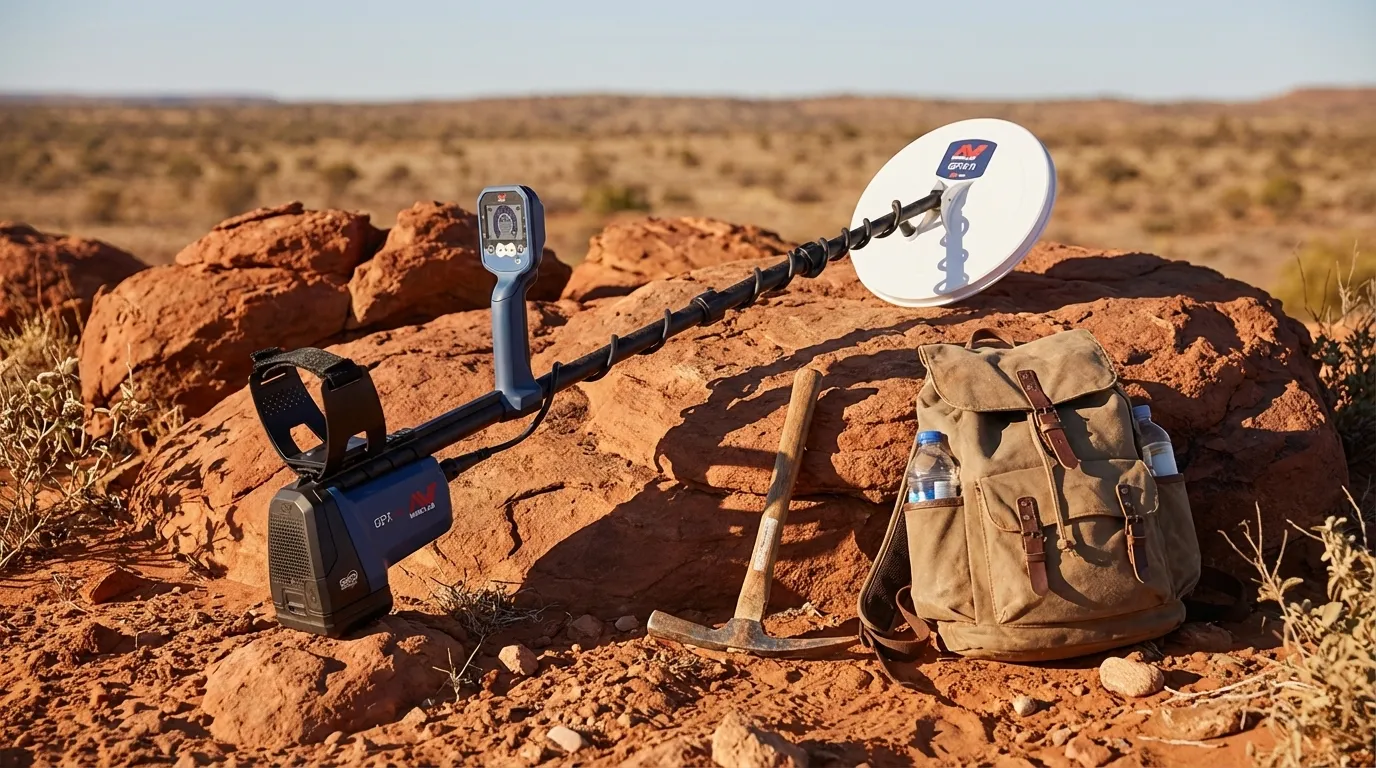
A Beginner's Guide to Metal Detecting in Western Australia
Everything you need to know to start metal detecting for gold in Western Australia, from choosing the right equipment to understanding local regulations.
A Beginner’s Guide to Metal Detecting in Western Australia
Western Australia is undoubtedly one of the world’s premier destinations for gold prospecting and metal detecting. With its rich gold rush history and ongoing discoveries, the state continues to attract treasure hunters from around the globe. If you’re considering taking up this rewarding hobby, this comprehensive guide will help you get started on the right foot.
Why Western Australia?
Western Australia’s goldfields have been producing precious metal since the 1890s, and remarkably, gold is still being found today. The state’s vast, sparsely populated landscape means there are countless areas that remain relatively unexplored by modern detectorists. From the famous Golden Mile at Kalgoorlie-Boulder to the remote goldfields near Meekatharra, WA offers unprecedented opportunities for both beginners and experienced prospectors.
The Modern Gold Rush
Unlike the gold rushes of the past, today’s prospectors are armed with sophisticated metal detectors capable of finding gold at impressive depths. Modern technology has leveled the playing field, allowing beginners with the right equipment to make significant finds. It’s not uncommon to hear stories of first-time detectorists finding substantial nuggets worth thousands of dollars.
Understanding the Legal Framework
Before you head out into the goldfields, it’s crucial to understand the legal requirements for metal detecting in Western Australia.
Miner’s Right
The most important document you’ll need is a Miner’s Right. This inexpensive permit (currently around $25 per year) allows you to prospect for minerals, including gold, on Crown land and some other designated areas. You can obtain a Miner’s Right from the Department of Mines, Industry Regulation and Safety, either online or in person at their offices.
A Miner’s Right permits you to:
- Use a metal detector on unreserved Crown land
- Fossick and prospect using hand tools
- Peg mining tenements (though this is beyond the scope of recreational detecting)
- Camp on unreserved Crown land while prospecting
Where You Can Detect
Understanding where you can legally detect is paramount. In Western Australia, you can generally detect on:
Unreserved Crown Land: This is public land that hasn’t been set aside for a specific purpose. Much of the goldfields consists of unreserved Crown land, making it accessible to prospectors with a Miner’s Right.
Mining Leases (with permission): If you have written permission from the lease holder, you may detect on active mining leases. Many lease holders are happy to grant permission, especially to respectful prospectors who follow their rules.
Private Property (with permission): Always seek written permission from landowners before detecting on private property.
Where You Cannot Detect
There are several areas where metal detecting is prohibited:
- National Parks and Conservation Reserves
- Aboriginal Heritage sites (unless you have proper permits)
- Reserved Crown land (including townsite reserves)
- Active mining operations (without explicit permission)
- Within 30 meters of registered heritage sites
Always check with local authorities and the Department of Mines if you’re unsure about a location’s status.
Essential Equipment for Beginners
Starting out in metal detecting requires some investment, but you don’t need to break the bank to find gold.
The Metal Detector
Your detector is your most important tool. For gold detecting in Western Australia, you’ll need a detector specifically designed for finding small gold nuggets. The two main technologies used are:
Pulse Induction (PI) Detectors: These are the workhorses of the Australian goldfields. PI detectors excel at depth and can handle the highly mineralized soils common in WA. Popular models include the Minelab GPX series and the GPZ 7000. These detectors can be expensive (ranging from $3,000 to $10,000+), but they offer the best depth and sensitivity for gold.
Very Low Frequency (VLF) Detectors: While traditionally less popular for gold nugget hunting, modern VLF detectors with proper gold modes can be excellent for beginners, especially those on a budget. They’re lighter, less expensive ($500-$2,000), and can find small gold in less mineralized ground. The Minelab Equinox series and Garrett AT Gold are popular choices.
For beginners, I recommend starting with either a mid-range PI detector or a high-quality VLF detector designed for gold. As you gain experience and determine your commitment to the hobby, you can upgrade to more specialized equipment.
Additional Essential Gear
Quality Headphones: Good headphones are crucial for hearing faint signals. Wireless models offer convenience, but wired headphones are often more reliable and have better sound quality.
Digging Tools: You’ll need a sturdy pick and a small shovel or scoop. Many prospectors prefer a small mattock-style pick that’s easy to carry and effective for digging in hard ground.
Finds Pouch: A small pouch worn on your belt keeps your finds secure and easily accessible.
GPS Device: A dedicated GPS unit or smartphone with offline maps will help you navigate the remote goldfields and mark promising locations for future visits.
Sun Protection: The Western Australian sun is harsh. Invest in a wide-brimmed hat, sunscreen, and protective clothing.
Water and Supplies: Always carry more water than you think you’ll need. The goldfields can be extremely hot, and you’re often far from any water source.
First Aid Kit: Accidents can happen in remote areas. Carry a comprehensive first aid kit and know how to use it.
Choosing Your First Detecting Location
For beginners, starting in well-known goldfields is advisable. These areas have established track records for gold finds and often have better access and facilities.
Beginner-Friendly Locations
Coolgardie: Just 40 kilometers from Kalgoorlie, Coolgardie offers accessible prospecting with good infrastructure. The area has produced significant gold since 1892 and continues to yield nuggets to this day.
Kanowna: Located north of Kalgoorlie, Kanowna is a historic goldfield with easy access and plenty of areas to detect. The ruins of the old town add to the atmosphere.
Menzies Area: Further north, Menzies offers vast areas of unreserved Crown land. The region is less crowded than the Kalgoorlie area but has a strong history of gold production.
Reading the Ground
Learning to “read the ground” is a skill that develops with experience. Look for areas that might concentrate gold:
- Old diggings and workings
- Gullies and creek beds
- Exposed bedrock
- Areas with ironstone or quartz
- Patches where bush has been cleared or burned
Old-timers often say, “Gold is where you find it,” but understanding basic geology and historical mining patterns will improve your odds significantly.
Basic Detecting Technique
Effective metal detecting is more than just waving a coil over the ground. Proper technique will help you cover ground efficiently and avoid missing targets.
The Sweep
Keep your coil parallel to the ground and swing in a smooth, overlapping pattern. Move the coil at a consistent speed—too fast and you might miss signals, too slow and you’ll cover less ground. Overlap each sweep by about 50% to ensure you don’t miss anything.
Going Slow to Go Fast
It’s tempting to cover as much ground as possible, but rushing often means missing targets. Experienced detectorists know that thorough, methodical coverage of promising ground beats racing around haphazardly.
Understanding Your Detector’s Signals
Spend time learning your detector’s sounds and signals. Not every beep is gold—you’ll dig plenty of trash, old nails, shotgun pellets, and hot rocks before you find your first nugget. This is normal and part of the learning process.
Grid Searching
For small, concentrated areas, consider using a grid search pattern. Mark out a section and work it methodically, either in parallel lines or expanding from a central point. This ensures complete coverage and prevents you from missing spots.
Safety Considerations
The Western Australian outback can be unforgiving. Safety should always be your top priority.
Tell Someone Your Plans
Always inform someone of where you’re going and when you expect to return. Provide them with coordinates if possible.
Vehicle Preparation
If you’re venturing into remote areas, ensure your vehicle is in good condition. Carry spare tires, recovery equipment, and extra fuel. A satellite phone or emergency beacon (EPIRB or PLB) is highly recommended for remote locations.
Wildlife
Be aware of the local wildlife, including snakes, spiders, and scorpions. Check your boots before putting them on, and be cautious when reaching into dark spaces or moving rocks.
Weather
Weather in the goldfields can be extreme. Summer temperatures often exceed 40°C (104°F), while winter nights can be surprisingly cold. Check weather forecasts and plan accordingly.
Finding Your First Nugget
The moment you find your first gold nugget is unforgettable. It might be tiny—barely visible to the naked eye—or it might be a chunky piece worth hundreds of dollars. Regardless of size, that first find validates all your research, preparation, and effort.
What to Expect
Be realistic about your expectations. While it’s possible to find substantial gold on your first trip, most beginners spend considerable time learning their equipment and reading the ground before making significant finds. Don’t be discouraged by initial challenges—persistence is key in this hobby.
Recording Your Finds
Keep a log of your detecting sessions, noting:
- Location (GPS coordinates)
- Date and time
- Weather conditions
- Detector settings used
- Finds (including trash)
This information becomes invaluable as you develop your own strategies and preferred locations.
Joining the Community
Metal detecting doesn’t have to be a solitary pursuit. Western Australia has a vibrant prospecting community with clubs and online forums where beginners can learn from experienced detectorists.
Benefits of Joining a Club
Prospecting clubs offer numerous advantages:
- Organized outings to productive areas
- Shared knowledge and techniques
- Access to private property with club permissions
- Social events and competitions
- Support and encouragement for beginners
Online Resources
Numerous online forums and Facebook groups cater to Australian prospectors. These communities are generally welcoming to beginners who show respect and genuine interest in learning. Popular forums include:
- Prospectors & Miners forums
- Australian Metal Detecting Facebook groups
- State-specific prospecting groups
Building Your Skills
Like any hobby, metal detecting rewards dedication and continuous learning.
Practice Makes Perfect
Spend time with your detector in your backyard or at the beach before heading to the goldfields. Bury test targets at various depths and practice recovering signals. Learn how your detector responds to different metals and mineralization levels.
Research and Study
Read books about gold geology, study old mining reports, and learn about the history of the goldfields. Understanding where and why gold was originally found helps you predict where more might remain.
Keep Learning
Technology and techniques are constantly evolving. Stay current by attending workshops, watching instructional videos, and reading detector reviews and technique articles.
Environmental Responsibility
As prospectors, we have a responsibility to minimize our environmental impact and respect the land.
Leave No Trace
Fill in all your holes, remove your trash, and leave the area as you found it—or better. Poor behavior by prospectors can lead to access restrictions that affect everyone.
Respect Cultural Heritage
Aboriginal people have inhabited Western Australia for tens of thousands of years. Many areas contain sacred sites and artifacts. Respect these places and report any artifacts you find to appropriate authorities.
Fire Safety
During fire ban seasons, be extremely cautious with anything that could start a fire. This includes vehicles (check for grass caught in hot exhausts), cigarettes, and camp stoves.
Conclusion
Metal detecting for gold in Western Australia offers adventure, potential profit, and a deep connection with the state’s fascinating mining history. While the learning curve can be steep, the rewards—both tangible and intangible—make it worthwhile.
Start with proper equipment, understand the regulations, choose beginner-friendly locations, and most importantly, be patient with yourself. Every successful prospector started exactly where you are now, and with persistence and proper technique, you too can experience the thrill of finding your own Western Australian gold.
The goldfields are waiting. With your Miner’s Right in hand and detector ready, you’re about to join a tradition that spans more than 130 years. Who knows—your next swing might uncover a nugget that’s been waiting underground since the gold rush era, just for you to find.
Happy prospecting!