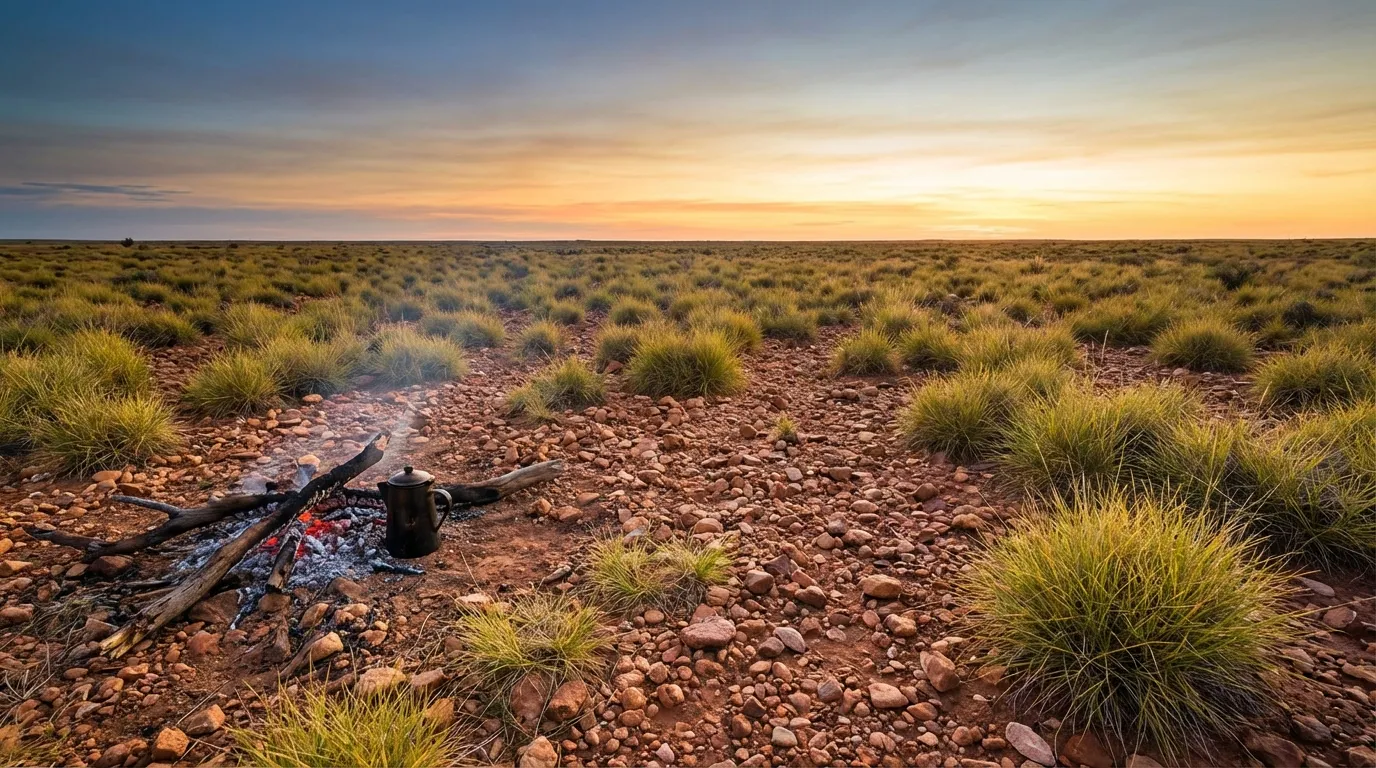
Best Times of Year to Go Prospecting in Western Australia
Understanding seasonal weather patterns, crowd levels, and optimal conditions for gold detecting in WA's goldfields throughout the year.
Best Times of Year to Go Prospecting in Western Australia- Designed for Beginner Prospectors
Timing your gold prospecting activities in Western Australia requires balancing multiple factors: extreme temperatures, rainfall patterns, daylight hours, and regulatory considerations. This report examines the key challenges beginners face when planning prospecting trips and provides evidence-based recommendations for optimal timing.
Key Challenges in Timing Gold Prospecting in Western Australia
Extreme Summer Temperatures and Heat-Related Health Risks
Western Australia’s goldfields experience some of the most extreme summer temperatures in Australia. Kalgoorlie-Boulder, the heart of the Eastern Goldfields, records average maximum temperatures of 33.7°C in January, with frequent days exceeding 40°C (1). The Bureau of Meteorology notes that heatwaves in inland WA can persist for extended periods, creating dangerous conditions for outdoor activities (2).
Heat-related illness represents a serious risk for prospectors. Safe Work Australia reports that outdoor workers in remote areas face elevated risks of heat stroke, with symptoms progressing rapidly when ambient temperatures exceed 35°C combined with physical exertion (3). For beginners unfamiliar with managing hydration and exertion in extreme heat, summer prospecting presents genuine safety concerns.
Seasonal Rainfall and Access Restrictions
Rainfall patterns significantly impact prospecting accessibility. The northern goldfields (around Meekatharra and Wiluna) experience a summer-dominant rainfall pattern influenced by tropical systems, while southern regions (Kalgoorlie, Coolgardie, Norseman) receive more winter rainfall (4). The Pilbara region can receive intense summer rainfall from cyclonic activity, with Marble Bar recording 267mm average annual rainfall, predominantly between December and March (1).
Heavy rainfall creates several problems: unsealed roads become impassable, creek beds flood, and pastoral stations may restrict access during wet conditions. The Department of Mines, Industry Regulation and Safety (DMIRS) notes that Miner’s Rights holders must still obtain permission from pastoral lease holders, who may deny access during mustering seasons or wet weather (5).
Daylight Hours and Productive Prospecting Time
Daylight availability varies substantially across seasons. In Kalgoorlie, summer daylight extends to approximately 14 hours (5:30am to 7:45pm in December), while winter daylight contracts to roughly 10.5 hours (6:45am to 5:15pm in June) (6). This 3.5-hour difference significantly impacts productive detecting and fossicking time, particularly for beginners who may work more slowly.
However, shorter winter days coincide with more comfortable working temperatures, creating a trade-off between available hours and physical comfort.
Vegetation Conditions and Ground Visibility
Seasonal vegetation growth affects ground visibility and detector performance. Following winter rains in the southern goldfields, annual grasses and wildflowers emerge, potentially obscuring surface indicators and making detecting more difficult. The Western Australian Herbarium documents that the goldfields experience peak wildflower displays between August and October, depending on winter rainfall (7).
Conversely, late summer and autumn typically present the driest ground conditions with minimal vegetation, improving target visibility and reducing ground mineralization interference for metal detectors.
Competition from Other Prospectors and Peak Season Crowding
Popular prospecting areas experience seasonal crowding patterns. Anecdotal evidence from prospecting forums and clubs suggests that the “shoulder seasons” of April-May and September-October attract the highest numbers of recreational prospectors, as these periods offer moderate temperatures and school holiday periods (8). The Goldfields region also hosts several organized prospecting events and club outings during these optimal weather windows.
For beginners seeking less crowded conditions and better access to popular detecting sites, timing trips outside peak periods may improve success rates.
Detailed Analysis of Each Challenge
Analysis: Extreme Summer Temperatures
Root Causes: Western Australia’s goldfields lie within the arid and semi-arid climate zones, characterized by low humidity, minimal cloud cover, and intense solar radiation. The continental interior lacks the moderating influence of ocean breezes that coastal regions enjoy (2).
Populations Most Affected: Beginners face elevated risk because they may lack experience recognizing early heat stress symptoms, carry inadequate water supplies, or underestimate physical demands. The Department of Health WA recommends consuming at least one litre of water per hour during strenuous activity in temperatures above 35°C (9).
Existing Mitigation Approaches: Experienced prospectors adapt by starting work at dawn, resting during midday heat (11am-4pm), and resuming in late afternoon. Vehicle-based prospecting with air conditioning provides heat refuges. Some prospectors shift entirely to night detecting during summer months, using headlamps and exploiting cooler temperatures (8).
Analysis: Seasonal Rainfall and Access
Root Causes: The goldfields occupy a transitional climate zone between tropical northern influences and temperate southern systems. Climate variability year-to-year can be substantial—some years bring minimal rainfall while others see flooding events (4).
Practical Impacts: Unsealed roads in prospecting areas become hazardous or impassable when wet. Clay-based soils common in the goldfields become extremely slippery and can bog vehicles. Station tracks may be closed to protect road surfaces and prevent erosion (5).
Access Considerations: DMIRS advises that while a Miner’s Right grants prospecting privileges on certain Crown land, pastoral lease holders retain authority over vehicle access. Wet season closures protect both infrastructure and livestock management operations (5).
Analysis: Daylight Hours
Practical Implications: Winter prospecting offers approximately 10.5 hours of daylight, but comfortable working conditions throughout. Summer provides 14 hours of daylight, but only 6-8 hours may be practical for active prospecting due to midday heat (6).
Beginners should factor in setup time, travel to detecting locations, and allowing for slower, more methodical work pace when calculating productive hours.
Analysis: Vegetation and Ground Conditions
Seasonal Patterns: Following autumn-winter rains, the goldfields experience vegetation growth that peaks in spring (August-October). By late summer (February-April), annual vegetation has died back, leaving clearer ground surface visibility (7).
Ground moisture also affects metal detector performance. Mineralized soils common in goldfields areas can create more interference when wet. Dry conditions generally improve detector depth and target discrimination (10).
Analysis: Prospecting Season Crowding
Peak Periods: School holidays (particularly April and September-October) coincide with comfortable weather, creating peak prospecting activity. Popular areas like the Murchison goldfields, Coolgardie, and established detecting patches receive heaviest visitation during these windows (8).
Implications for Beginners: Crowded conditions mean popular areas may have been recently detected, potentially reducing success rates. However, peak seasons also offer opportunities to connect with more experienced prospectors and learn techniques.
3. Innovative Solutions and Recommendations
Solution 1: The “Shoulder Season Strategy”
Core Approach: Target the transitional periods of late March-early May and mid-September-early November for optimal conditions.
Evidence of Effectiveness: Bureau of Meteorology climate data shows that April in Kalgoorlie averages 24.7°C maximum temperatures—significantly more comfortable than January’s 33.7°C—while maintaining low rainfall probability (1). September offers similar moderate temperatures (22.7°C average maximum) with increasing daylight hours (1).
Implementation for Beginners: Plan initial prospecting trips during April-May or September-October. Monitor weather forecasts closely, as conditions can vary year-to-year. Allow flexibility in scheduling to avoid any unseasonal hot spells or rainfall events.
Solution 2: Regional Timing Optimization
Core Approach: Different goldfields regions suit different seasonal timing based on their specific climate patterns.
Regional Recommendations:
| Region | Optimal Period | Reasoning |
|---|---|---|
| Eastern Goldfields (Kalgoorlie, Coolgardie) | April-October | Winter rainfall pattern; mild winters (1) |
| Northern Goldfields (Meekatharra, Wiluna) | May-September | Avoid summer cyclonic rain influence (4) |
| Pilbara (Marble Bar, Nullagine) | May-August | Extreme summer heat; summer wet season (1) |
| Southern Cross/Norseman | April-November | Cooler overall; later spring remains comfortable (1) |
Implementation: Match your target prospecting region to its optimal seasonal window. Beginners might start in the Eastern Goldfields during autumn, where conditions are most beginner-friendly.
Solution 3: Day-Structure Optimization
Core Approach: Adapt daily prospecting schedule to seasonal conditions rather than avoiding certain seasons entirely.
Seasonal Day Structures:
Winter (June-August):
- Start: 8:00am (after sunrise warmth)
- Full day prospecting: 8am-5pm
- Advantages: Comfortable continuous work; no midday break required
Shoulder Seasons (April-May, September-October):
- Start: 6:30-7:00am
- Midday break: Optional 12-2pm
- End: 5:30-6:00pm
- Advantages: Maximum productive hours; flexibility
Summer (November-March) — Advanced users only:
- Start: 5:30am (first light)
- Morning session: 5:30am-11:00am
- Extended break: 11:00am-4:00pm (shelter/rest)
- Afternoon session: 4:00pm-7:30pm
- Note: Not recommended for beginners due to heat management complexity
Solution 4: Technology-Assisted Planning
Core Approach: Use available digital tools to optimize timing decisions.
Key Resources:
- Bureau of Meteorology forecasts and historical climate data (bom.gov.au) (1)
- Main Roads WA road condition reports for unsealed roads (mainroads.wa.gov.au) (11)
- Emergency WA for fire and flood alerts (emergency.wa.gov.au) (12)
- Pastoral station contact details through DMIRS for access permission timing (5)
Implementation: Check road conditions and weather forecasts 1-2 weeks before planned trips. For remote areas, monitor conditions daily in the week before departure.
Solution 5: Beginner-Friendly Location Selection
Core Approach: Select prospecting locations that offer infrastructure support during your chosen season.
Recommended Beginner Approach: Start at established prospecting areas with nearby town facilities during shoulder seasons. Locations like Coolgardie, Menzies, or Cue offer town amenities within short driving distance, allowing retreat to air conditioning, water supplies, and communication if conditions become challenging.
Evidence Supporting This Approach: DMIRS recommends beginners start in established goldfields areas where geological understanding is well-developed and support infrastructure exists (5). This reduces variables while learning, allowing focus on prospecting technique development.
4. Solution Framework Summary
Recommended Timing Framework for Beginners
Primary Recommendation: April-May and September-October
| Factor | April-May | September-October |
|---|---|---|
| Temperature | Cooling; 20-28°C average (1) | Warming; 18-25°C average (1) |
| Rainfall risk | Low; autumn dry period (4) | Low-moderate; spring showers possible (4) |
| Daylight | 10.5-11.5 hours (6) | 11.5-12.5 hours (6) |
| Vegetation | Dying back; improving visibility | Growing; may obscure ground |
| Ground conditions | Drying after any summer rain | Drying after winter rain |
| Crowds | Moderate; Easter period busy | Moderate-high; school holidays |
Value Proposition: These shoulder seasons provide the best balance of safe temperatures, adequate daylight, reasonable ground conditions, and accessible roads. Beginners can work full days without heat management concerns while conditions remain forgiving of inexperience.
Secondary Recommendation: June-August (Winter)
Winter offers the most comfortable working temperatures and lowest heat-related risk. The trade-off is reduced daylight hours (approximately 10.5 hours) and the possibility of cold overnight temperatures requiring appropriate camping gear.
Best suited for: Beginners prioritizing comfortable conditions over maximum detecting hours, or those with limited flexibility to travel during shoulder seasons.
Seasons to Approach with Caution: November-March
Summer prospecting is not recommended for beginners due to:
- Extreme heat requiring careful management
- Potential for dangerous heat-related illness
- Summer rainfall and flooding in northern regions
- Fire risk during hot, dry periods (12)
Experienced prospectors who understand heat management, carry adequate supplies, and have reliable vehicle support can prospect during cooler hours, but beginners should develop skills during milder seasons first.
5. Sources and Evidence
-
Bureau of Meteorology (2024). Climate statistics for Australian locations. Australian Government. http://www.bom.gov.au/climate/averages/tables/cw_012038.shtml (Kalgoorlie-Boulder Airport data). Primary authoritative source for Australian climate data; government agency with extensive historical records.
-
Bureau of Meteorology (2024). Heatwave Service for Australia. Australian Government. http://www.bom.gov.au/australia/heatwave/ Official heatwave monitoring and forecasting service; defines heatwave severity categories.
-
Safe Work Australia (2023). Managing the risks of working in heat. https://www.safeworkaustralia.gov.au/safety-topic/hazards/heat National workplace safety authority; provides evidence-based guidance on heat exposure limits.
-
Bureau of Meteorology (2024). Climate of Western Australia. Australian Government. http://www.bom.gov.au/wa/climate/ Regional climate overview distinguishing tropical, arid, and temperate influences.
-
Department of Mines, Industry Regulation and Safety (2024). Fossicking and Prospecting in Western Australia. Government of Western Australia. https://www.dmp.wa.gov.au/Minerals/Fossicking-prospecting-702.aspx Primary regulatory authority; authoritative source on Miner’s Rights and access requirements.
-
Geoscience Australia (2024). Sunrise, sunset and twilight times. Australian Government. https://geodesy.ga.gov.au/sunrise Official calculator for daylight hours across Australian locations.
-
Western Australian Herbarium (2024). FloraBase - Wildflower Information. Department of Biodiversity, Conservation and Attractions. https://florabase.dpaw.wa.gov.au/ State botanical authority; reliable for vegetation seasonality.
-
Prospecting Australia Forum (2024). Various discussion threads on seasonal prospecting. https://www.prospectingaustralia.com.au/ Community forum; while not peer-reviewed, provides practical insights from experienced practitioners. Used for anecdotal patterns only.
-
Department of Health Western Australia (2024). Beat the heat this summer. Government of Western Australia. https://www.healthywa.wa.gov.au/Articles/A_E/Beat-the-heat-this-summer State health authority; evidence-based hydration and heat management guidance.
-
Minelab Electronics (2023). Understanding Ground Mineralisation. https://www.minelab.com/ Leading detector manufacturer; while commercial source, provides technical explanation of ground conditions affecting detector performance.
-
Main Roads Western Australia (2024). Travel Map - Road Conditions. Government of Western Australia. https://travelmap.mainroads.wa.gov.au/ Official road authority; real-time road condition information.
-
Emergency WA (2024). Current Warnings and Incidents. Government of Western Australia. https://www.emergency.wa.gov.au/ Official emergency management portal; essential for fire and flood warnings.
6. Conclusion and Next Steps
Key Insights Summary
The optimal time for beginner gold prospecting in Western Australia is during the shoulder seasons of April-May and September-October (1, 4). These periods provide:
- Comfortable working temperatures between 18-28°C (1)
- Adequate daylight of 10.5-12.5 hours (6)
- Low rainfall probability and accessible roads (4, 11)
- Reduced heat-related health risks (3, 9)
Winter (June-August) represents a viable alternative with the most comfortable temperatures, though with reduced daylight hours (6).
Summer (November-March) should be avoided by beginners due to extreme heat risks (2, 3) and potential access issues from summer rainfall in northern regions (4).
Action Plan for Beginners
Immediate Steps (1-2 weeks before trip):
- Check Bureau of Meteorology forecasts for your target region (1, 2)
- Review Main Roads WA road conditions (11)
- Confirm pastoral station access if required (5)
- Plan daily schedule based on seasonal day-structure recommendations
Trip Planning Checklist:
- Target April-May or September-October for first trips
- Select Eastern Goldfields region (Kalgoorlie, Coolgardie area) for beginner-friendly conditions and infrastructure support (5)
- Carry minimum 1 litre water per hour of planned activity (9)
- Plan accommodation in nearby towns for first trips rather than remote camping
- Allow flexibility to adjust dates if weather conditions change
Further Research Recommendations
For deeper understanding, consult:
- DMIRS Geological Survey publications (https://dmp.wa.gov.au/gswa) for understanding gold occurrence patterns in different regions
- Prospecting Australia forum (https://prospectingaustralia.com.au) for community knowledge and current area reports
- Bureau of Meteorology climate guides (http://www.bom.gov.au/climate/) for detailed seasonal patterns in specific goldfields locations
Limitations of This Research
This report relies primarily on climate data and regulatory information, which are well-documented and reliable. However, several factors involve inherent uncertainty:
- Year-to-year climate variability means actual conditions may differ from historical averages
- Crowding patterns are based on anecdotal community reports rather than formal surveys
- Ground condition effects on detector performance represent manufacturer guidance rather than independent research
Prospecting success depends on many factors beyond timing, including geology, equipment, technique, and persistence. Optimal timing improves conditions but does not guarantee results.