Warwick
Gold Prospecting Location around Warwick
Looking for a place to give gold prospecting a try around Warwick?
● Download a simple map that shows areas where you can go and the major roads to those locations.
● Each map is custom made, showing the absolute latest information for any given area.
● Put it on your phone, tablet or computer. No special software required and works without internet connections.
Get This Map
Enter your email and we will create and email you the latest,high-resolution map as a PDF.
We respect your privacy. Your email will not be sold or traded to others.
Warwick serves as the gateway to some of Queensland's earliest and most historic goldfields, situated in the scenic Southern Darling Downs. While today recognized as a major agricultural and equestrian hub, the region's development was heavily spurred by the mid-19th-century gold rushes that occurred just west of the town.
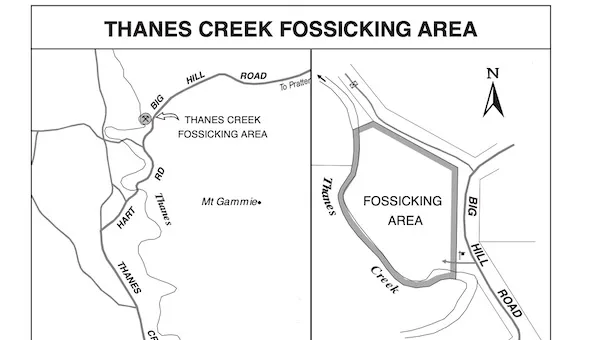
The gold-bearing areas surrounding Warwick, including the Talgai, Canal Creek, and Thanes Creek fields, represent a significant chapter in Australian mining history. As the site of the first proclaimed alluvial goldfield in Queensland, the Warwick district remains a premier destination for recreational prospectors seeking 'color' in its ancient creek beds and rocky ridges.
Gold was first discovered in the Warwick district at Canal Creek in 1863. This was a landmark event for the colony, as Canal Creek became the first officially proclaimed alluvial goldfield in Queensland, predating the massive rushes at Gympie and Charters Towers. The discovery brought thousands of prospectors to the Southern Darling Downs, transforming Warwick from a quiet pastoral settlement into a bustling commercial center for the mining industry.
Shortly after the Canal Creek find, the Talgai Goldfield—originally known as Darkie’s Flat—was established near the township of Pratten. Talgai was noted for its rich quartz reefs, particularly around the 'Big Hill' area. Unlike the easy-to-work alluvial gold, the Talgai reefs required heavy machinery and batteries for crushing quartz, leading to a more permanent and industrialized mining presence that persisted through the late 19th century.
Further discoveries at Lucky Valley, Palgrave, and Leyburn created a golden corridor west of Warwick. These fields were famous for producing high-quality gold, often found in concentrated 'pockets.' During the peak years, the influx of wealth from these mines funded the construction of many of Warwick's grand sandstone buildings and established the town as a dominant economic force in Southern Queensland.
Modern-day Warwick has transitioned from commercial mining to a popular hub for recreational fossicking. While the large batteries are long gone, the district—specifically areas like Thanes Creek and the Glendon fossicking reserve—remains open to hobbyists. The region is still highly regarded by metal detectorists and gold panners who continue to find fine gold and occasional nuggets, keeping the legacy of the 1860s rushes alive for a new generation of treasure hunters.
Common Questions
Where are the best places to find gold near Warwick? ▼
The most popular areas for recreational gold seekers are Thanes Creek and the Glendon fossicking area, located approximately 40 kilometers west of Warwick. These sites allow for gold panning and metal detecting in areas known for historical alluvial deposits.
When was gold first discovered in the Warwick area? ▼
Gold was first discovered at Canal Creek in 1863. It was the first alluvial goldfield to be officially proclaimed in the colony of Queensland, sparking a major gold rush to the Southern Darling Downs.
Do I need a permit to fossick for gold around Warwick? ▼
Yes, you must hold a current Queensland Fossicking License to search for gold in the Warwick region. These can be purchased online through the Queensland Government website and cover both individual and family permits.
What type of gold is typically found in this region? ▼
The Warwick fields produced both reef gold (found in quartz) and alluvial gold. Today, recreational prospectors typically find alluvial gold in the form of fine specks and small flakes in creek wash, though small nuggets are still occasionally found using metal detectors.